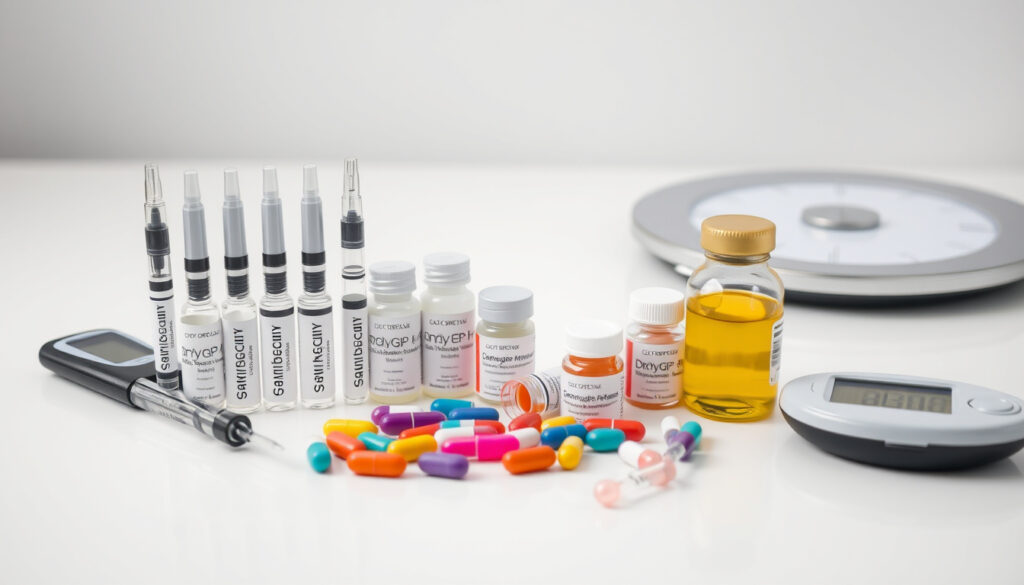
What Is GLP-1 – Agonists, Uses, Drugs and Side Effects
GLP-1, or glucagon-like peptide-1, is a hormone produced naturally in the gut that plays a crucial role in regulating blood sugar, appetite, and metabolism. In recent years, medications designed to mimic or enhance GLP-1 activity have transformed how doctors approach type 2 diabetes and obesity treatment. These drugs, known as GLP-1 receptor agonists, have shown remarkable efficacy in lowering blood sugar levels and promoting significant weight loss, making them among the most discussed medications in modern medicine.
The development of GLP-1-based therapies represents a significant advancement in metabolic disease management. Unlike older diabetes medications, GLP-1 agonists work in a glucose-dependent manner, meaning they stimulate insulin release only when blood sugar levels are elevated. This characteristic substantially reduces the risk of dangerous hypoglycemia while providing powerful therapeutic benefits.
What Is GLP-1 and What Does It Stand For?
GLP-1 stands for glucagon-like peptide-1, a peptide hormone secreted by L-cells in the lining of the small intestine and large intestine. The hormone is released in response to food intake, particularly when nutrients reach the distal gastrointestinal tract. Once secreted, GLP-1 acts as an incretin hormone, meaning it enhances the secretion of insulin from pancreatic beta cells in response to eating.
Unlike insulin injections, which work continuously and can cause blood sugar to drop dangerously low, GLP-1 drugs only activate when blood sugar is elevated. This glucose-dependent mechanism provides a built-in safety feature that has made these medications preferable for many patients over traditional insulin therapy.
The discovery of GLP-1 dates back to the 1970s, when researchers identified several peptides derived from proglucagon, including GLP-1 and GLP-2. Early studies quickly revealed that GLP-1 not only stimulated insulin but also suppressed glucagon secretion, slowed gastric emptying, and promoted feelings of fullness. These multiple effects made it an attractive target for drug development, eventually leading to the first GLP-1 receptor agonist approvals in the mid-2000s.
Glucagon-like peptide-1 (GLP-1) is an incretin hormone released by the gut in response to food intake.
Managing type 2 diabetes and promoting weight loss through appetite suppression and metabolic improvement.
Semaglutide (Ozempic, Wegovy), liraglutide (Victoza), tirzepatide (Mounjaro, Zepbound).
Significant HbA1c reduction, substantial weight loss, reduced cardiovascular risk, and low hypoglycemia risk.
The Role of GLP-1 as a Hormone
As a hormone, GLP-1 serves as a critical messenger between the gut and the pancreas, coordinating the body’s response to food consumption. When you eat, GLP-1 levels rise within minutes, triggering a cascade of metabolic signals that prepare the body to process incoming nutrients. This includes stimulating insulin release, suppressing glucagon, and signaling fullness to brain regions involved in appetite control.
The natural half-life of GLP-1 in the body is remarkably short, typically just 1 to 2 minutes before enzymatic degradation. This brief window of activity means that the hormone’s effects are precisely timed to match the digestive process. Drug developers have engineered GLP-1 receptor agonists to resist this rapid degradation, allowing therapeutic effects to persist for days or up to a week depending on the specific medication.
Discovery and Scientific Foundation
The scientific understanding of GLP-1 evolved through several decades of research. Initial studies in the 1980s demonstrated that GLP-1 was a potent stimulator of insulin secretion, sparking interest in its therapeutic potential. By the 1990s, researchers confirmed that GLP-1 not only enhanced insulin secretion but also suppressed glucagon, slowed stomach emptying, and reduced food intake. These multiple mechanisms of action suggested that targeting the GLP-1 pathway could address several aspects of metabolic dysfunction simultaneously.
The translation from laboratory discovery to clinical application occurred rapidly once researchers solved the challenge of creating stable, long-acting GLP-1 analogs. The U.S. Food and Drug Administration approved the first GLP-1 receptor agonist, exenatide, in 2005, opening a new chapter in diabetes treatment. Subsequent approvals have expanded the class to include multiple formulations with varying durations of action, delivery methods, and dosing regimens.
How Does GLP-1 Work in the Body?
GLP-1 receptor agonists work by mimicking the natural GLP-1 hormone, binding to GLP-1 receptors throughout the body to produce multiple metabolic effects. These receptors are found in the pancreas, brain, heart, kidneys, gastrointestinal tract, and other tissues. When activated, they trigger signaling cascades that ultimately improve blood sugar control, reduce appetite, and enhance cardiovascular health.
GLP-1 drugs activate receptors in multiple organ systems simultaneously, producing effects that extend beyond simple blood sugar reduction. This multi-target approach explains why these medications have shown benefits across diverse conditions including diabetes, obesity, fatty liver disease, and even certain cardiovascular conditions.
Effects on Insulin and Glucagon Secretion
The primary mechanism through which GLP-1 agonists improve blood sugar control involves stimulating insulin secretion from pancreatic beta cells. When blood glucose levels rise after eating, GLP-1 drugs enhance the sensitivity of beta cells to glucose signals, causing them to release more insulin. This glucose-dependent action means that insulin secretion automatically tapers as blood sugar normalizes, reducing the risk of hypoglycemia compared to medications that work independently of glucose levels.
Equally important is GLP-1’s effect on glucagon, a hormone produced by alpha cells in the pancreas that signals the liver to release stored glucose. GLP-1 drugs suppress glucagon secretion in a glucose-dependent manner, preventing the liver from raising blood sugar levels when they are already normal or low. This combined effect on both insulin and glucagon creates a powerful mechanism for maintaining stable blood sugar levels throughout the day.
Research published in journals such as Frontiers in Endocrinology indicates that pharmacological doses of GLP-1 drugs can restore beta cell responsiveness to glucose levels comparable to those observed in non-diabetic individuals. This restoration of normal pancreatic function represents a potentially disease-modifying effect that may slow or reverse the progression of type 2 diabetes.
Impact on Appetite and Food Intake
Beyond its effects on blood sugar regulation, GLP-1 acts directly on the hypothalamus, the brain region responsible for controlling hunger and satiety. When GLP-1 receptors in the hypothalamus are activated, they increase feelings of fullness and reduce appetite, leading to decreased food intake. This effect is mediated partly through delayed gastric emptying, which prolongs the sensation of stomach fullness after eating.
Studies have shown that GLP-1 agonists reduce appetite through multiple pathways, including direct effects on brain hunger centers and indirect effects through vagal nerve signaling from the gut. Patients taking these medications typically report reduced cravings, smaller portion sizes, and decreased interest in high-calorie foods. These behavioral changes contribute significantly to the weight loss observed with GLP-1 therapy.
The appetite-suppressing effects of GLP-1 are particularly pronounced for calorie-dense foods and snacks, which may explain why patients often spontaneously choose healthier eating patterns while on therapy. Research has demonstrated that GLP-1 affects food reward pathways in the brain, reducing the motivational drive to consume palatable, high-calorie foods even when hunger signals are present.
What Is GLP-1 Used For?
GLP-1 receptor agonists are approved for treating both type 2 diabetes and obesity, with expanding research supporting potential applications in other metabolic conditions. The dual benefit of improving blood sugar control while promoting weight loss has made these medications increasingly popular among healthcare providers and patients seeking more comprehensive treatment approaches.
For weight loss indication, GLP-1 medications are typically prescribed to individuals with a BMI of 30 or higher, or 27 or higher when accompanied by weight-related health conditions such as diabetes, obstructive sleep apnea, or hypertension. Most guidelines recommend attempting other weight management approaches first, including dietary modifications and increased physical activity.
Diabetes Management
GLP-1 receptor agonists have become a cornerstone of modern type 2 diabetes treatment. Clinical studies consistently demonstrate that these medications reduce glycated hemoglobin (HbA1c) levels by approximately 1% compared to control groups, representing substantial improvement in long-term blood sugar control. This reduction in HbA1c correlates with decreased risk of diabetes-related complications, including nerve damage, kidney disease, and vision problems.
Beyond blood sugar control, GLP-1 agonists have shown significant cardiovascular benefits for diabetes patients. According to research documented in sources like the Harvard Health Blog, these medications reduce cardiovascular complications including heart attacks and strokes while also lowering all-cause mortality in high-risk patients. These cardiovascular benefits appear to extend beyond what would be expected from blood sugar improvement alone, suggesting direct protective effects on the heart and blood vessels.
The medications also decrease free fatty acid concentrations, which contributes to improved insulin sensitivity throughout the body. Elevated free fatty acids are associated with insulin resistance and metabolic dysfunction, so their reduction represents an important therapeutic mechanism beyond direct blood sugar effects. This multi-faceted approach to diabetes management makes GLP-1 agonists particularly valuable for patients with complex metabolic needs.
Weight Loss Treatments
GLP-1 drugs have emerged as powerful tools for weight management, producing weight loss significantly greater than most other available medications. The medications work primarily through appetite suppression, reducing hunger and food cravings while increasing feelings of fullness after meals. This leads to a natural reduction in calorie intake without requiring conscious restriction or willpower-based dieting.
Clinical trials have demonstrated that patients using semaglutide for weight management can expect to lose between 10% and 20% of their body weight, depending on dose and individual factors. This magnitude of weight loss is comparable to what is achievable with bariatric surgery, though the mechanism is entirely different. The effectiveness of GLP-1 therapy for obesity has led to dedicated weight loss formulations, such as Wegovy and Zepbound, receiving regulatory approval.
The weight loss benefits of GLP-1 extend beyond simple calorie restriction. Patients report not only eating less but also experiencing reduced food preoccupation, fewer obsessive thoughts about eating, and less emotional eating. These effects suggest that GLP-1 therapy addresses the underlying psychological and neurological drivers of overeating, not just the physiological signals of hunger.
What Are Common GLP-1 Drugs and Medications?
Several GLP-1 receptor agonists have received regulatory approval for clinical use, each with distinct characteristics, dosing schedules, and delivery methods. These medications range from daily injections to weekly formulations, with newer options including oral preparations. Understanding the differences between available GLP-1 drugs helps patients and healthcare providers make informed treatment decisions.
Popular GLP-1 Agonists Like Semaglutide
Semaglutide is currently the most widely prescribed GLP-1 receptor agonist, available under the brand names Ozempic for diabetes and Wegovy for weight management. Administered as a weekly subcutaneous injection, semaglutide has demonstrated impressive efficacy in both lowering HbA1c and promoting significant weight loss. The medication is titrated gradually over several weeks to minimize gastrointestinal side effects and improve tolerability.
Liraglutide was one of the first GLP-1 agonists to receive approval and is marketed as Victoza for diabetes and Saxenda for weight loss. Unlike semaglutide, liraglutide requires daily injections, which some patients find less convenient. However, the daily dosing allows for more gradual titration and may be associated with fewer gastrointestinal complaints in some individuals.
Tirzepatide represents an advancement in GLP-1 therapy as the first dual GIP/GLP-1 receptor agonist, marketed as Mounjaro for diabetes and Zepbound for weight loss. By mimicking both GLP-1 and glucose-dependent insulinotropic polypeptide (GIP), tirzepatide produces enhanced metabolic effects compared to GLP-1 alone. Clinical trials have shown that tirzepatide produces even greater weight loss and HbA1c reduction than semaglutide, making it a preferred option for many patients.
Administration Methods
The original GLP-1 agonists required subcutaneous injection, typically administered in the abdomen, thigh, or upper arm. Injection devices have evolved significantly, with modern pre-filled pens designed to minimize discomfort and simplify the injection process. Most patients report that the injections are relatively painless, comparing the sensation to a slight pinch.
Oral formulations of GLP-1 agonists have become available, with semaglutide now offered in a daily pill form under the brand name Rybelsus. Oral administration offers advantages for patients who prefer to avoid injections, though absorption can be variable and requires taking the medication on an empty stomach with a small amount of water. Bioavailability of oral GLP-1 is lower than injectable formulations, necessitating higher doses to achieve equivalent effects.
The choice between injectable and oral GLP-1 therapy depends on patient preferences, lifestyle factors, and clinical considerations. Injectable formulations generally offer more consistent absorption and greater weight loss, while oral medications may be preferred for convenience and avoiding injection-related discomfort. Healthcare providers can help patients weigh these factors when selecting the most appropriate GLP-1 medication.
What Are the Side Effects and Risks of GLP-1?
Like all medications, GLP-1 receptor agonists carry potential side effects that patients should understand before starting therapy. Most side effects are gastrointestinal in nature and tend to diminish over time as the body adjusts to the medication. However, more serious complications can occur, making it important for patients to discuss risks and benefits thoroughly with their healthcare providers.
GLP-1 medications have been associated with rare cases of thyroid C-cell tumors in rodent studies. Patients with a personal or family history of medullary thyroid carcinoma or multiple endocrine neoplasia syndrome type 2 should not use these medications. Discuss any history of thyroid disease with your healthcare provider before starting GLP-1 therapy.
Common Versus Serious Effects
The most frequently reported side effects of GLP-1 agonists include nausea, vomiting, diarrhea, abdominal pain, and constipation. These symptoms occur in up to 20-40% of patients during the initial titration period and typically resolve within a few weeks. Starting with a low dose and increasing gradually helps minimize these gastrointestinal effects, allowing the digestive system to adapt to the medication.
More serious but uncommon side effects include pancreatitis (inflammation of the pancreas), gallbladder disease, and kidney problems. Pancreatitis, while rare, represents a potentially life-threatening complication that requires immediate medical attention. Symptoms include severe abdominal pain, nausea, vomiting, and fever. Patients should stop taking GLP-1 medication immediately if pancreatitis is suspected.
Injection site reactions can occur with subcutaneous GLP-1 formulations, including redness, itching, or small lumps at the injection site. These reactions are usually mild and resolve on their own. Rotating injection sites with each dose helps reduce the likelihood of localized irritation.
Who Should Avoid GLP-1 Medications
Certain populations should avoid GLP-1 receptor agonists or use them with caution under close medical supervision. Pregnant women should not use GLP-1 medications due to insufficient safety data for unborn children. Patients with a history of pancreatitis or severe gastrointestinal disease may need to avoid these drugs or explore alternative treatments with their healthcare provider.
Patients with a personal or family history of medullary thyroid carcinoma or multiple endocrine neoplasia syndrome type 2 should not use GLP-1 agonists, as animal studies have shown an increased risk of thyroid tumors. Additionally, patients with severe kidney impairment may require dose adjustments or closer monitoring while on GLP-1 therapy.
The safety of GLP-1 medications in children and adolescents continues to be evaluated, with some formulations now approved for pediatric use. Parents considering GLP-1 therapy for younger patients should discuss potential benefits and risks thoroughly with pediatric specialists familiar with these medications.
A Timeline of GLP-1 Drug Development
The development of GLP-1-based medications spans several decades of research, from initial hormone discovery to the sophisticated multi-target drugs available today. Understanding this timeline provides context for the current state of GLP-1 therapy and hints at future developments in the field.
- 1970s — Researchers identify GLP-1 and GLP-2 as peptide hormones derived from proglucagon.
- 1980s — Early studies demonstrate GLP-1’s potent insulin-stimulating effects, sparking therapeutic interest.
- 1990s — Researchers confirm GLP-1’s multiple metabolic effects including glucagon suppression and appetite reduction.
- 2005 — Exenatide becomes the first GLP-1 receptor agonist approved by the FDA.
- 2010 — Liraglutide receives approval, offering a daily injection option with improved efficacy.
- 2014 — Dulaglutide is approved, introducing a weekly injection with a pre-filled pen device.
- 2017 — Oral semaglutide (Rybelsus) enters clinical use, expanding treatment options.
- 2017 — Weekly injectable semaglutide (Ozempic) receives FDA approval for diabetes.
- 2021 — Semaglutide is approved for weight management (Wegovy) based on impressive clinical trial results.
- 2022 — Tirzepatide receives approval as the first dual GIP/GLP-1 receptor agonist.
What We Know and What Remains Unclear
While GLP-1 receptor agonists have demonstrated remarkable efficacy for diabetes and obesity, several aspects of these medications continue to be studied. The distinction between well-established effects and emerging findings helps healthcare providers and patients set appropriate expectations for treatment outcomes.
| Established Information | Information That Remains Unclear |
|---|---|
| GLP-1 agonists effectively lower HbA1c by approximately 1% | Long-term effects beyond 5 years of continuous use |
| Significant weight loss of 10-20% body weight is achievable | Optimal duration of treatment before maintenance attempts |
| Cardiovascular benefits are well-documented in high-risk patients | Effects in patients without established cardiovascular disease |
| Glucose-dependent mechanism provides hypoglycemia safety | Complete scope of effects on other hormonal systems |
| Gastrointestinal side effects are common but usually temporary | Risk of rare adverse events in broader populations |
| GLP-1 resistance occurs in type 2 diabetes patients | Optimal strategies for overcoming resistance |
The Science and Significance of GLP-1
GLP-1 represents one of the most significant discoveries in metabolic medicine, providing a treatment approach that addresses multiple aspects of diabetes and obesity simultaneously. The hormone’s natural role in coordinating the body’s response to food intake made it an ideal target for drug development, and the resulting medications have transformed the landscape of metabolic disease treatment.
The impact of GLP-1 research extends beyond developing new drugs. Understanding how GLP-1 works has revealed fundamental insights into how the gut communicates with the brain and pancreas, opening new research avenues for treating metabolic disorders. This knowledge has also spurred interest in developing additional gut-derived hormones as therapeutic targets.
The market for GLP-1 medications has grown substantially, with these drugs becoming among the best-selling pharmaceutical products globally. This commercial success has accelerated investment in next-generation formulations, including oral versions, combination therapies, and medications with enhanced efficacy and tolerability profiles.
What Experts Say About GLP-1 Therapy
GLP-1 receptor agonists represent a paradigm shift in how we approach type 2 diabetes and obesity. Unlike older medications that addressed single symptoms, these drugs target the underlying metabolic dysfunction through multiple mechanisms, providing benefits that extend well beyond blood sugar control.
Clinical guidelines from major medical organizations have increasingly incorporated GLP-1 agonists as preferred treatment options for patients with type 2 diabetes and cardiovascular disease. The American Diabetes Association and other professional groups now recommend considering GLP-1 therapy earlier in the treatment algorithm, particularly for patients with established cardiovascular disease or those seeking weight loss benefits.
For patients with obesity, GLP-1 medications offer a medically supervised approach to significant weight loss when lifestyle modifications alone prove insufficient. The magnitude of weight loss achievable with these medications is comparable to surgical interventions, though the mechanism is entirely pharmacological.
The FDA has approved these medications based on extensive clinical trial data demonstrating efficacy and safety profiles. Ongoing post-marketing surveillance continues to monitor for rare adverse events and long-term outcomes in diverse patient populations.
Key Takeaways
GLP-1 receptor agonists have established themselves as powerful tools for managing type 2 diabetes and obesity, offering benefits that extend beyond blood sugar control to include significant weight loss and cardiovascular protection. The glucose-dependent mechanism of action provides a favorable safety profile compared to older diabetes medications, making these drugs suitable for a broad range of patients.
Understanding how GLP-1 works helps explain why these medications have become so important in modern medicine. By mimicking a natural hormone involved in digestion and metabolism, GLP-1 drugs leverage the body’s own regulatory systems to improve health outcomes. This biological approach distinguishes GLP-1 therapy from medications that simply override physiological signals.
For those considering GLP-1 therapy, the decision should be made in consultation with healthcare providers who can assess individual needs, medical history, and treatment goals. The availability of multiple GLP-1 formulations means that patients can often find an option that fits their lifestyle and preferences. For more information on how the body responds to nutritional changes, see our guide on Signs Probiotics Are Working – How to Know They’re Effective. Understanding metabolic health also involves knowing how the body handles fasting states, which you can explore in How Long Can A Human Go Without Eating – Survival Timeline.
Frequently Asked Questions
What does GLP-1 stand for?
GLP-1 stands for glucagon-like peptide-1, a hormone produced in the gut that helps regulate blood sugar, appetite, and digestion.
How do GLP-1 drugs work?
GLP-1 drugs mimic the natural GLP-1 hormone, activating receptors that stimulate insulin release, suppress glucagon, slow digestion, and reduce appetite.
What are common side effects of GLP-1 medications?
Common side effects include nausea, vomiting, diarrhea, abdominal pain, and constipation. These usually diminish over the first few weeks of treatment.
How much weight can someone lose with GLP-1 therapy?
Clinical trials show weight loss of 10-20% of body weight, depending on the specific medication, dose, and individual factors.
What is the difference between Ozempic and Wegovy?
Ozempic and Wegovy both contain semaglutide but are approved for different indications. Ozempic is approved for type 2 diabetes, while Wegovy is specifically approved for weight management.
Can GLP-1 medications be taken orally?
Yes, oral semaglutide (Rybelsus) is available as a daily pill. However, injectable formulations generally have higher bioavailability and may produce greater effects.
How long do GLP-1 medications take to work?
Blood sugar improvements may be seen within weeks, while significant weight loss typically requires 3-6 months of continuous therapy at therapeutic doses.
Who should not take GLP-1 receptor agonists?
Patients with personal or family history of medullary thyroid carcinoma or multiple endocrine neoplasia syndrome type 2 should not use these medications. Pregnant women and those with severe pancreatitis history should also avoid them.
More related posts
 How to Lower Triglycerides – Diet, Exercise and Natural Methods
 How Old Is Dick Van Dyke? Age 100 Birthday Facts
 Most Expensive Car in the World: $142M Record & 2026 Guide
 Are You There God? It’s Me, Margaret: Parents Guide
 Dry Ice Near Me – Where to Buy, Prices & Safety
 Crawl Space Repair Near Me: Cost, Mold & Encapsulation Guide
 Interlock Device Near Me: Find Installation & Compare Costs
 Don’t Tread on Me Meaning: Origins, Symbolism & Modern Use
