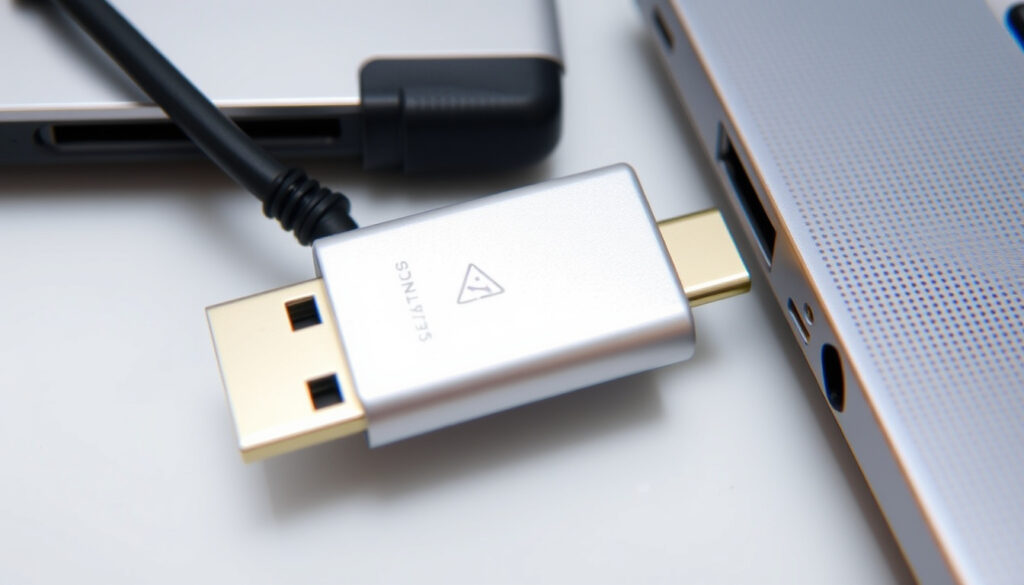
USB to USB-C Adapter: Safety, Use & Troubleshooting
A USB to USB-C adapter lets you charge a newer device from an older port or connect a legacy peripheral to a modern laptop—but safety and performance depend entirely on the adapter’s internal electronics. This guide explains what works, what doesn’t, and how to avoid damaging your gear.
USB-IF standard adapter support: USB 2.0 data (480 Mbps) and 3A charging (60W max) | Apple USB-C to USB Adapter price (Ireland): €25.00 | Typical data transfer speed: Up to 480 Mbps (USB 2.0) | Maximum charging power (USB-A to USB-C): 60W (3A at 20V) | Market presence (e.g., Harvey Norman, Currys): Available at major Irish retailers
USB to USB-C Adapter Basics
- Converts USB-A port to USB-C port (or vice versa)
- Supports USB 2.0 data up to 480 Mbps
- Charging up to 60W (3A) with proper resistor
Safety & Certification
- USB-IF certification ensures proper 56 kΩ resistor (USB-IF)
- Avoid cheap unbranded adapters (PCWorld)
- Check for CE, UKCA markings in Ireland and UK (Electrical Safety First)
Common Use Cases
- Connect older USB-A peripherals to USB-C laptop
- Charge a phone with a USB-A charger and USB-C cable
- Connect USB-C flash drive to USB-A port
Troubleshooting Tips
- Clean connectors with dry cloth (Dell Support)
- Verify cable supports desired speed
- Update drivers via Device Manager (Windows)
Is it okay to use a USB to USB-C adapter?
Yes, when the adapter follows the USB-IF specification. A properly built adapter contains a 56 kΩ pull-up resistor that tells the connected devices how much power is safe to draw. Without that resistor, a USB-C device could request more current than the USB-A port can deliver, leading to overheating or damage.
When is it safe to use a USB to USB-C adapter?
Safety starts with certification. Look for the USB-IF logo on the packaging or product page. Electrical Safety First notes that certified USB devices are generally safe when used according to the manufacturer’s instructions. Well-known brands such as Apple, Anker, and Belkin are typically safer than no-name adapters, according to Chargie.
The implication: a certified adapter with visible safety marks (UL, CE, FCC) dramatically reduces the risk of overcurrent or fire.
What are the risks of using a USB to USB-C adapter?
Risks include overheating, data loss, and permanent damage to the connected device. Electrical Safety First warns that incorrect charging output can damage a device and create overheating or fire risk. Magnetic USB-C adapters present additional hazards: PCWorld reports that they can cause static discharge, data loss, electromagnetic interference, arcing in humid conditions, and short circuits from debris on exposed pins.
“Magnetic USB-C adapters and cables are not officially part of the USB-C specification.” — PCWorld
The pattern: avoid magnetic accessories entirely and stick to standard USB-IF compliant adapters for safe operation.
What does a USB-C to USB adapter do?
A USB-C to USB adapter converts a modern USB-C port into a standard USB-A female socket. This lets you plug older devices—flash drives, mice, keyboards—into a newer laptop or phone that only has USB-C ports.
Can you connect an iPhone to a USB-C port?
Yes, if you have a USB-C to USB adapter and the iPhone’s Lightning cable. Plug the Lightning cable into the adapter, then connect the adapter to the USB-C port. Data transfer and charging will work, though speeds are limited to USB 2.0 (480 Mbps) on most adapters. EcoFlow notes that an adapter can work on an older, slower port, but a faster-rated adapter or cable cannot make the host port exceed its own capabilities.
Can you use a USB-C to USB adapter for a mouse or keyboard?
Absolutely. Wired mice and keyboards typically use USB-A connectors. A USB-C to USB adapter lets you plug them into a USB-C laptop without compatibility issues. Data rates are negligible for input devices, so the USB 2.0 speed limit is irrelevant.
EcoFlow also cautions that simple plug couplers with the same connector on both sides—such as male-USB-A to male-USB-A—violate USB safety standards. Never use an adapter that connects two identical ports together.
The catch: for OTG (On-The-Go) connections—like plugging a flash drive into an Android phone via USB-C—the adapter must explicitly state OTG support. Without it, the phone won’t recognize the drive.
Are USB to USB-C adapters safe and do they work well?
Safety and performance are not guaranteed across all adapters. A reliable adapter contains proper electronics and passes certification testing. A cheap unit may charge erratically, transfer data slowly, or overheat.
What makes a USB to USB-C adapter reliable?
Three markers: a 56 kΩ pull-up resistor, USB-IF certification, and a one-year warranty as a minimum sign of manufacturer confidence, per Chargie. The resistor is the critical safety component—it limits current draw to safe levels when connecting a USB-C device to a USB-A port.
“Without USB Power Delivery, USB Type-C alone supports up to 5V at 3A, or 15W.” — Texas Instruments
Do all USB to USB-C adapters support fast charging?
No. Most standard USB-A to USB-C adapters are limited to 3A at 20V (60W) or less, according to Texas Instruments. Fast charging beyond 15W requires USB Power Delivery (PD) negotiation, which only works when both the charger and the device support PD. Manhattan Products explains that USB-C Power Delivery negotiates the required power with the connected device rather than always sending a fixed high output.
The pattern: a basic adapter will not deliver high-speed charging unless the source port and the device both support PD, and the adapter itself is rated for the current.
USB-C Power Delivery Revision 3.1 can deliver up to 240W over a full-featured USB Type-C cable and connector, per USB-IF. Older USB-A ports cannot reach these power levels regardless of the adapter.
| Specification | Value |
|---|---|
| Maximum data speed | 480 Mbps (USB 2.0) |
| Maximum charging current | 3A (60W at 20V) |
| Apple adapter price (Ireland) | €25.00 |
| Typical adapter weight | 10–20 grams |
| USB-IF logo requirement | Recommended for safety |
Why is my USB to USB-C not working?
Common failures include the adapter not being recognized, intermittent connections, or no power delivery at all. These issues usually stem from physical damage, driver problems, or compatibility mismatches.
What to do if your USB to USB-C adapter is not recognized
- Inspect both USB ports and the adapter for visible damage. Dell Support advises checking for bent or broken pins.
- Clean dust or debris from the port using compressed air. Dell Support recommends short bursts while holding the can upright.
- Try a different cable. Dell Support notes that a faulty cable is often the hidden cause.
- Test the adapter with another device to isolate whether the issue is the adapter or the original port.
How to fix USB-C problems in Windows
ASUS Support notes that USB-C problems can include the device not being recognized and limited Thunderbolt or display functionality. For Windows systems, run the Hardware and Devices troubleshooter and apply any repairs it suggests. Restart the computer after the fix completes.
If the adapter still fails, update the USB controller drivers through Device Manager. Expand “Universal Serial Bus controllers,” right-click each entry, and select “Update driver.” A system restart is often required afterward.
What this means: a failing adapter is usually the result of physical debris, a damaged port, or outdated drivers. Systematic testing eliminates guesswork.
What is the best USB to USB-C adapter?
The best adapter depends on whether you prioritize charging speed, data transfer, or compatibility. The market offers several reliable options at different price points.
Best USB to USB-C adapter for charging
The Apple USB-C to USB Adapter (€25 in Ireland) is a Tier 1 reliable choice. It supports up to 60W charging and USB 2.0 data. Chargie notes that well-known brands are typically safer, and a one-year warranty is a useful minimum sign of manufacturer confidence.
“Check for official safety certifications such as UL, CE, or FCC.” — Chargie
Best USB to USB-C adapter for data transfer
For data, EcoFlow recommends checking speed ratings such as USB 3.0 or 5Gbps if data transfer matters. Most basic adapters top out at USB 2.0 (480 Mbps). If you need faster speeds, look for a USB 3.x or USB4-rated adapter—though the host port must also support those speeds.
Chargie also suggests that a practical safety check is to look for official safety certifications such as UL, CE, or FCC. Budget options from Manhattan and TechStar can work, but always verify they include the 56 kΩ resistor.
The pattern: Apple’s adapter is the gold standard for safety and reliability. Budget alternatives can save money but require careful verification of specs and certifications.
Frequently Asked Questions
Can a USB to USB-C adapter charge my phone?
Yes, if the adapter is properly built and includes the 56 kΩ pull-up resistor. Charging is limited to 3A (60W) on standard USB-A ports. Fast charging requires PD support from both the charger and the phone.
Will a USB to USB-C adapter work with a USB 3.0 device?
Yes, but data speeds will drop to USB 2.0 (480 Mbps) on most adapters. For USB 3.0 speeds, look for an adapter explicitly rated for 5 Gbps.
Does Apple make a USB to USB-C adapter?
Yes, Apple sells the USB-C to USB Adapter for €25 in Ireland. It supports charging up to 60W and data transfer at USB 2.0 speeds.
Is there a difference between USB and USB-C?
USB refers to the standard connector shape (USB-A) and protocol. USB-C is a newer, reversible connector that can carry higher power and faster data. An adapter bridges the two physically, but performance is limited by the older USB-A side.
Can I use a USB to USB-C adapter for a printer?
Yes, if the printer uses a USB-A cable. Connect the printer’s USB-A cable to the adapter, then plug the adapter into a USB-C port. Printing will work at the printer’s rated speed, which is typically USB 2.0.
Do I need a special cable for USB-C fast charging?
Yes. Fast charging above 15W requires a USB-C cable that supports Power Delivery and the specific wattage (e.g., 60W, 100W). Standard USB-A to USB-C cables are usually limited to 3A.
How do I know if my USB to USB-C adapter is safe?
Check for USB-IF certification, the presence of a 56 kΩ resistor, and safety marks (UL, CE, FCC). Avoid unbranded adapters and magnetic connectors that are not part of the USB-C specification, as warned by PCWorld.
Pros of USB to USB-C Adapters
- Enables compatibility between older USB-A devices and modern USB-C ports
- Supports charging up to 60W (3A) with proper resistor
- Works for data transfer (keyboard, mouse, flash drives) at USB 2.0 speeds
- Certified adapters from major brands are safe and reliable
Cons and Risks
- Data speed capped at USB 2.0 (480 Mbps) on most adapters
- Poor-quality adapters lack the 56 kΩ resistor, creating fire and damage risk
- Magnetic adapters are not USB-IF compliant and can cause static discharge or arcing
- Simple plug couplers (male-to-male) violate USB safety standards
More related posts
 Thomas Brodie-Sangster: Marriage, Age Gap, and Family Facts
 Timberwolves vs Brooklyn Nets Match Player Stats & Analysis
 Food Open Near Me in Ireland: 24-Hour Dining & More
 How Tall Is Kendrick Lamar? Height vs Drake, Wife, and More
 Love Island Games Season 2: Winners & Streaming Info
 Lion’s Mane Mushroom Benefits – Science-Backed Insights
 Atletico Madrid vs Real Madrid Lineups: Injuries & Where to Watch
 Philadelphia Museum of Art: History, Artworks and News
