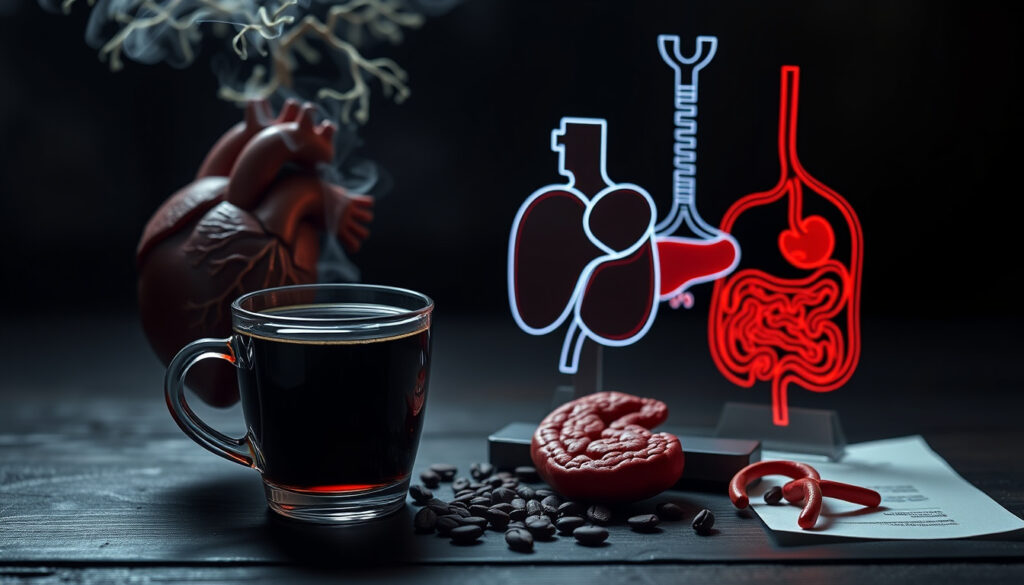
Is Coffee Bad for You? Effects on Heart, Gut & Liver
You love your morning coffee, but somewhere between the first sip and that afternoon refill, a quiet question sneaks in: Is this actually good for me? The answer, backed by Mayo Clinic research and cardiologist guidance, is more nuanced than a simple yes or no, and this article breaks down coffee’s effects on your heart, liver, kidneys, gut, and skin so you can decide for yourself.
Maximum safe daily cups (most adults): 4-5 cups (approx. 400mg caffeine) ·
Potential cardiovascular risk reduction (4 cups/day): 53% lower risk per study ·
Mayo Clinic verdict: moderate coffee: Generally safe, not harmful for most ·
Common side effects of excess: Jitteriness, anxiety, faster heart rate, acid reflux ·
Worst drink for heart health: Sugary sodas and energy drinks (expert consensus)
Quick snapshot
- Moderate coffee (4-5 cups/day) is safe for most adults (Mayo Clinic)
- Excess caffeine can cause anxiety, palpitations, insomnia (Mayo Clinic)
- Coffee and skin acne relationship not conclusively proven (Mayo Clinic)
- Whether morning coffee is strictly better than all-day drinking requires more research (British Heart Foundation)
- Coffee reduces risk of liver cirrhosis and may lower cardiovascular disease (Mayo Clinic)
- Sugary drinks are worse for heart health than black coffee (British Heart Foundation)
- Optimal coffee amount for kidney protection in CKD still under study (Mayo Clinic)
- Effects of additives (sugar, cream) vs. black coffee on long-term health (British Heart Foundation)
Key health parameters for coffee consumption, drawn from major research institutions, are summarized below.
| Label | Value |
|---|---|
| Safe daily limit (caffeine) | 400 mg (~4 cups of brewed coffee) (Mayo Clinic) |
| Heart risk reduction (4 cups/day) | Up to 53% lower cardiovascular risk (study) (Brooklyn College research) |
| Common side effect: anxiety | Occurs in sensitive individuals at high doses (Mayo Clinic) |
| Liver enzyme reduction | Coffee consumption linked to lower ALT and AST levels (Johns Hopkins Medicine) |
| Worst drink for heart (expert consensus) | Sugar-sweetened sodas and energy drinks (British Heart Foundation) |
How unhealthy is coffee?
For the average healthy adult, coffee is not unhealthy at all when consumed in moderation. The Mayo Clinic states that up to 400 milligrams of caffeine per day — about four to five 8-ounce cups — is generally safe. Exceeding that can bring on jitteriness, anxiety, a faster heart rate, and acid reflux, but for most people these effects are temporary and dose-dependent.
Daily moderation: what the research says
- A large meta-analysis found that drinking 3–4 cups per day is linked to a lower risk of cardiovascular disease and stroke (Mayo Clinic).
- Moderate intake does not raise long-term risk for chronic disease in healthy individuals (Johns Hopkins Medicine).
- Those with anxiety disorders, uncontrolled hypertension, or pregnancy should limit caffeine (Mayo Clinic).
Caffeine tolerance and individual variability
- Genetics affect how quickly your body metabolizes caffeine; slow metabolizers may feel effects longer (British Heart Foundation).
- Habitual drinkers often develop tolerance, reducing side effects over time.
- Your body weight, age, and medications also influence safe thresholds.
The implication: The key to coffee’s health effects lies in dosage and individual sensitivity, not in the drink itself.
Which organ is most affected by coffee?
Coffee interacts with nearly every system in your body, but the spotlight falls on the heart, liver, kidneys, and gut. Here’s what the evidence says about each.
Heart and cardiovascular system
- Caffeine can temporarily raise heart rate and blood pressure, especially in non-habitual drinkers (Mayo Clinic).
- Long-term moderate consumption is associated with a lower risk of heart failure and stroke (British Heart Foundation).
- A study from Brooklyn College reported up to 53% lower cardiovascular risk among people drinking 4 cups daily (Brooklyn College research)
Liver and kidneys
- Coffee is consistently linked to lower levels of liver enzymes ALT and AST, indicating less liver inflammation (Johns Hopkins Medicine).
- Mayo Clinic notes that coffee consumption may reduce the risk of liver cancer, cirrhosis, and gallstones (Mayo Clinic).
- For kidneys, moderate coffee does not harm function; some studies even suggest a protective effect against chronic kidney disease (Mayo Clinic).
Stomach and digestive tract
- Coffee stimulates gastric acid secretion, which can worsen heartburn, reflux, and gastritis in sensitive individuals (Mayo Clinic).
- It may also speed up colon motility, which can alleviate constipation but cause urgency in some.
- People with IBS or GERD often report symptom flare-ups after coffee (British Heart Foundation).
Coffee protects the liver and heart but can irritate the stomach. If you have reflux, a morning cup may still be fine — try a darker roast with less acid.
What this means: The heart and liver benefit most from moderate coffee, while the gut takes the biggest hit. Drinking coffee on an empty stomach can worsen acid issues — pairing it with food reduces irritation.
What do cardiologists say about coffee?
Cardiologists largely agree that black coffee in moderation supports heart health — but what you add matters.
Recommended additives to coffee
- The British Heart Foundation advises against sugar, syrups, and cream — these can turn a healthy drink into a heart risk.
- Better options: cinnamon, unsweetened cocoa powder, and plant-based milks (unsweetened almond or oat milk).
- Cardiologist Dr. Thomas (via Heart Foundation blog) recommends using coffee as an opportunity to add anti-inflammatory spices rather than empty calories.
Morning coffee vs. all-day drinking
- Early research suggests morning coffee consumption may align better with cortisol rhythms, potentially maximizing cardiovascular benefits (British Heart Foundation).
- All-day sipping can lead to higher cumulative caffeine and disrupt sleep, which indirectly affects heart health.
- Mayo Clinic experts note that drinking coffee after 2 p.m. may interfere with sleep quality for some (Mayo Clinic).
The pattern: Cardiologists consistently emphasize that how you take coffee matters as much as how much you drink.
Is it healthier to not drink coffee?
For most people, coffee drinkers have a lower all-cause mortality risk than non-drinkers — so abstaining might actually be a missed opportunity.
Benefits of drinking coffee
- Reduced risk of type 2 diabetes, Parkinson’s, and Alzheimer’s (Mayo Clinic).
- Lower risk of strokes and cardiovascular disease (3–4 cups/day).
- May protect against certain cancers (mouth, throat, digestive system) (Mayo Clinic).
Risks of drinking coffee
- Anxiety, insomnia, palpitations in sensitive people or at high doses.
- Unfiltered coffee (French press) may raise LDL cholesterol (Mayo Clinic).
- Can aggravate GERD and urinary urgency.
Who should avoid coffee
- Pregnant individuals: limit to 200 mg/day (Mayo Clinic).
- People with uncontrolled anxiety disorders or arrhythmias.
- Those on medications like certain antibiotics or thyroid drugs that interact with caffeine.
The catch: If you have a condition that caffeine worsens, quitting may improve your quality of life. But for the general population, coffee is more ally than enemy.
Is coffee bad for your liver, kidneys, gut, or skin?
Let’s go organ by organ, using the latest evidence from Mayo Clinic, Johns Hopkins, and cardiology groups.
Does coffee harm the liver?
- Multiple studies show lower levels of liver enzymes (ALT, AST) in regular coffee drinkers (Johns Hopkins Medicine).
- Coffee is associated with a reduced risk of liver cirrhosis and liver cancer (Mayo Clinic).
- Even decaf coffee shows some protective effect, suggesting compounds beyond caffeine play a role.
Coffee and kidney function
- Moderate coffee intake is not linked to kidney damage; some studies suggest a lower risk of chronic kidney disease (Mayo Clinic).
- People with advanced CKD should consult a nephrologist, as potassium and fluid balance may be concerns.
- Coffee may reduce the risk of kidney stones due to its diuretic effect and compounds that inhibit crystal formation.
How coffee affects your gut and stomach
- Coffee increases gastric acid and can loosen the lower esophageal sphincter, worsening reflux (Mayo Clinic).
- For people with IBS, coffee may trigger abdominal pain and diarrhea due to its effect on gut motility.
- Drinking coffee with food or choosing a low-acid roast can reduce irritation.
Skin effects of coffee
- Caffeine is a diuretic, which can contribute to dehydration and dull skin if consumed in large amounts.
- Individual reports link coffee to acne flare-ups, but large studies haven’t confirmed a causal connection (Mayo Clinic).
- There is no strong evidence that moderate coffee causes permanent skin damage.
Unfiltered coffee (French press, espresso from some machines) can raise LDL cholesterol. Use a paper filter to capture the compounds that cause the rise.
Upsides
- Reduces risk of heart disease, stroke, and type 2 diabetes (Mayo Clinic)
- Protects liver against cirrhosis and cancer (Johns Hopkins Medicine)
- May lower risk of kidney stones and chronic kidney disease
- Rich in antioxidants and anti-inflammatory compounds
Downsides
- Can cause anxiety, insomnia, and palpitations at high doses
- Triggers acid reflux and heartburn in sensitive individuals (Mayo Clinic)
- Unfiltered coffee may raise LDL cholesterol
- Excess consumption may dehydrate skin and worsen urinary urgency
What the experts say about coffee
“For most people, moderate coffee consumption — about 1 to 2 cups per day — is not bad for you and may even be beneficial.”
“Coffee can be part of a healthy diet when consumed without added sugar, cream, or syrups. It’s the additives that often turn a healthy drink into a heart-unhealthy one.”
— British Heart Foundation
“The evidence suggests that coffee drinkers have a lower risk of liver damage, and that includes lower levels of liver enzymes.”
“If you want to add something to your coffee for heart health, try cinnamon or unsweetened cocoa instead of sugar. It’s a simple swap with real benefits.”
— Dr. Thomas (cardiologist), via British Heart Foundation
What this means: Expert consensus confirms that moderate, additive-free coffee is a net positive for most people’s health.
Coffee isn’t “bad” for you in the way a sugary soda is. For most adults, moderate amounts protect the heart, liver, and kidneys, while the main risk lies in overconsumption and the way you take it. For the average coffee drinker, the choice is clear: keep it to 4–5 cups, skip the sugar and cream, and avoid drinking on an empty stomach if you have reflux — or your morning ritual may come with an unwanted cost.
goodrx.com, mcpress.mayoclinic.org, youtube.com, pmc.ncbi.nlm.nih.gov, mayoclinic.org, facebook.com
For a deeper look at the latest large-scale studies on coffees health impact research, that meta-analysis of nearly 4 million participants offers compelling insights into moderate consumption patterns.
Frequently asked questions
Does coffee dehydrate you?
Moderate coffee does not cause significant dehydration. While caffeine has a mild diuretic effect, the water in coffee largely offsets it. Mayo Clinic notes that for regular drinkers, coffee contributes to daily fluid intake.
Can coffee help you lose weight?
Yes, but the effect is modest. Caffeine can temporarily boost metabolic rate and fat oxidation, but long-term weight loss from coffee alone is not supported by strong evidence. Johns Hopkins Medicine includes it among nine reasons coffee may boost health, but not as a primary weight-loss tool.
Does coffee increase blood pressure long-term?
In habitual drinkers, the blood pressure increase from caffeine is usually temporary. Most large studies find no sustained hypertension risk from moderate intake. However, non-habitual drinkers or those with existing hypertension may see a more pronounced effect.
Is decaf coffee healthier than regular?
Decaf retains most of the antioxidants and many health benefits of regular coffee, including liver protection. However, the evidence for heart disease and diabetes risk reduction is stronger with caffeinated coffee. Mayo Clinic states decaf still offers benefits and is a good option for those sensitive to caffeine.
Can coffee cause insomnia?
Yes, especially when consumed later in the day. Caffeine has a half-life of 3–5 hours in most adults, but some metabolize it slowly. Drinking coffee after 2 p.m. can disrupt sleep quality and duration. Mayo Clinic advises limiting caffeine after midday if you have sleep issues.
Does coffee affect fertility?
Studies are mixed. High caffeine intake (above 300–400 mg/day) has been associated with delayed conception in some studies, but moderate intake does not appear to significantly impact fertility. Pregnant women should follow the 200 mg/day limit per Mayo Clinic guidance.
Is it safe to drink coffee while pregnant?
Most health authorities, including Mayo Clinic, recommend limiting caffeine to 200 mg per day during pregnancy — roughly one 12-ounce coffee. Higher intake has been linked to a small increased risk of low birth weight or miscarriage.
More related posts
 Osama bin Laden Death: Facts, Timeline, and Aftermath
 Elvira Mistress of the Dark: 1988 Film & Career Guide
 Acuvue Oasys for Astigmatism: Price, Wear Time & More
 Can My PC Run It? Check System Requirements & Compatibility Guide
 What Type of Government Is the US? Constitutional Republic Explained
 Men’s Haircuts: Best Styles, Fades and 2026 Trends
 The Classic Chocolate Chip Cookie Recipe, Explained
 Best Meal Delivery Service 2026: Top-Rated and Tested
