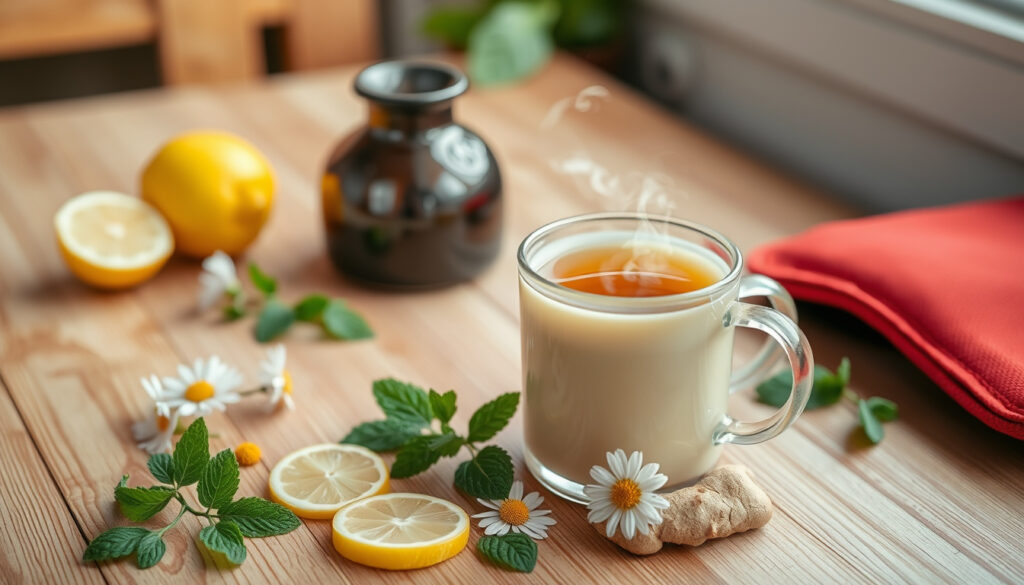
How to Get Rid of a Stomach Ache in 5 Minutes – Quick Proven Remedies
Stomach aches can strike without warning, disrupting daily routines and causing significant discomfort. Whether triggered by a heavy meal, stress, or digestive upset, the need for rapid relief is universal. Many people wonder if it’s actually possible to achieve meaningful symptom reduction in just five minutes using accessible remedies. While individual results vary based on the underlying cause and personal physiology, several evidence-supported approaches can provide noticeable relief quickly.
Understanding which remedies work fastest—and why—empowers individuals to make informed decisions about managing minor digestive discomfort at home. This guide presents proven methods for quick stomach ache relief, from heat application and gentle movement to herbal teas and over-the-counter options. Medical attention remains necessary when pain persists or warning signs appear.
How to Get Rid of a Stomach Ache in 5 Minutes
Multiple strategies can deliver relief within minutes, though effectiveness depends on the specific cause of discomfort. The following approaches target common sources of stomach pain such as gas, cramping, and mild indigestion.
Ginger or Peppermint
Chamomile Tea
Dairy, Spicy Foods
Persistent Pain Over 24 Hours
Key Insights on Quick Stomach Ache Relief
- Heat application relaxes abdominal muscles and can ease cramping within minutes, according to WebMD.
- Ginger contains anti-inflammatory compounds that help with indigestion, making it one of the most studied natural remedies for stomach discomfort.
- Gentle stretching exercises, particularly the “gas relieving stretch,” may release trapped gas in as little as 30 seconds.
- Over-the-counter options like simethicone work specifically for gas-related pain, while antacids target heartburn symptoms.
- Staying hydrated with clear fluids supports digestive function and helps flush out irritants.
- Avoiding NSAIDs like ibuprofen is crucial, as these medications can further irritate the stomach lining.
- Results vary significantly based on the cause and individual response, so trying multiple approaches may be necessary.
Stomach Ache Relief Facts at a Glance
| Remedy | Time to Work | How-To | Evidence Level |
|---|---|---|---|
| Heat Application | 5-15 minutes | Heating pad or warm towel on abdomen | Widely Recommended |
| Ginger Tea | 10-20 minutes | Steep fresh ginger in hot water | Traditional + Moderate Research |
| Peppermint | 5-15 minutes | Tea, gum, or candy | Traditional Use |
| Gas Relieving Stretch | 30 seconds – 2 minutes | Pull knee to chest while lying down | Physiological Basis |
| Simethicone | 15-30 minutes | Over-the-counter gas relief tablets | Clinically Tested |
While many remedies can provide relief within five minutes for mild discomfort, severe or persistent pain requires professional medical evaluation. Claims about achieving complete relief in exactly five minutes may not apply to all individuals or all types of stomach pain.
Best Drinks for Quick Stomach Ache Relief
Hydration plays a fundamental role in digestive health, and certain beverages offer additional therapeutic benefits for an upset stomach. Selecting the right drink depends on the specific symptoms experienced and individual tolerance.
Herbal Teas That Soothe
Metro Detroit Gastroenterology recommends several herbal options that have stood the test of time. Chamomile tea remains particularly effective for reducing cramping and calming overall digestive unrest. The anti-inflammatory properties of ginger make fresh ginger tea an excellent choice for indigestion-related discomfort. Peppermint tea works by relaxing stomach muscles through its menthol content, providing relief that many users report within minutes.
Clear Fluids and Carbonated Options
Plain water helps maintain hydration, which supports normal digestive function. For those wondering whether water helps a stomach ache, the answer is generally yes—staying hydrated can help flush out irritants and prevent constipation that might worsen discomfort. Clear broths provide hydration along with minimal nutrients that are easy on the digestive system.
Ginger ale and clear sodas like Sprite offer temporary nausea relief for some individuals, though Better Health Victoria notes that strong medical evidence for these options remains limited. Licorice tea has shown effectiveness for gas relief, while apple cider vinegar mixed with water and honey may help neutralize excess stomach acid.
For fastest ginger tea relief, slice fresh ginger root thinly and steep in boiling water for 5-10 minutes. Add honey for taste if tolerated. Drink while still warm for best results.
Effective Home Remedies for Stomach Pain
Beyond drinks, several physical methods and dietary approaches can address stomach discomfort effectively. These remedies target different mechanisms depending on the underlying cause of pain.
Heat and Physical Methods
Applying heat represents one of the fastest ways to address cramping and muscle tension in the abdomen. Better Health Victoria confirms that placing a heating pad, hot water bottle, or warm towel directly on the abdomen can relax muscles and ease discomfort. A warm bath with Epsom salts offers similar benefits while promoting overall relaxation.
Belly massage stimulates digestion and can help move gas through the digestive tract. Light movement, such as a short walk after eating, often aids in reducing bloating and preventing the buildup of trapped gas. Oshi Health specifically recommends abdominal massage as a technique for quick gas relief.
Gentle Exercises and Stretches
Physical movement helps address gas-related discomfort particularly effectively. The “gas relieving stretch” involves lying on the back and pulling one knee toward the chest for 20-30 seconds per side. Demonstrated in movement tutorials, this technique can release trapped gas and provide relief in as little as 30 seconds for some individuals.
Additional poses worth trying include the modified child’s pose, gentle twisting movements, marching in place, cat-cow stretches with hip circles, and assuming a natural squat position similar to how the body positions during defecation. These movements encourage gas movement through the intestines and can be performed discreetly when needed.
Foods That Help Settle the Stomach
The BRAT diet—bananas, rice, applesauce, and toast—remains a commonly recommended approach for settling an upset stomach. Pepto-Bismol guidelines support eating bland foods in small amounts to allow the digestive system to recover. Plain crackers and simple rice dishes follow the same principle of providing easily digestible sustenance without adding digestive burden.
Over-the-Counter Options
Several OTC medications address specific symptoms effectively. Columbia University Medical Center recommends simethicone for gas relief, antacids for heartburn, and acetaminophen for general pain. Crucially, NSAIDs such as ibuprofen should be avoided as they can irritate the stomach lining and potentially worsen symptoms.
Common Causes of Stomach Aches and When to Seek Help
Understanding what triggers stomach discomfort helps in selecting appropriate remedies and recognizing when professional care becomes necessary.
Frequently Identified Triggers
Medical sources consistently identify several common causes of stomach aches. Gas and bloating result from air swallowing, certain food choices, or digestive bacteria producing gas during food breakdown. Constipation causes discomfort when waste material accumulates in the intestines. Indigestion and acid reflux occur when stomach contents move upward into the esophagus, creating burning sensations.
More serious conditions including gastritis, peptic ulcers, and gastrointestinal infections also produce stomach pain. Overeating stretches the stomach beyond comfortable limits, while menstrual cramps affect many individuals during their monthly cycle. WebMD specifically recommends avoiding spicy, fried, and sugary foods, along with caffeine and alcohol, to minimize digestive irritation.
Warning Signs Requiring Medical Attention
Certain symptoms demand immediate professional evaluation. Pepto-Bismol guidance identifies severe persistent pain—particularly in the lower right abdomen where appendicitis might present—as requiring urgent care. Fever, persistent vomiting, diarrhea lasting more than two days, and symptoms that worsen despite treatment all warrant medical consultation.
Pregnant individuals, those taking regular medications, and anyone experiencing recurring symptoms should consult healthcare providers before relying solely on home remedies. Columbia University Medical Center specifically advises medical consultation for these populations.
You experience severe pain in the lower right abdomen, have a fever above 101°F, notice blood in vomit or stool, cannot keep any fluids down for 12+ hours, or experience confusion or extreme fatigue alongside abdominal pain.
5-Minute Relief Timeline
A structured approach to rapid relief helps prioritize the most effective interventions. This timeline suggests actions to take within the first five minutes of noticing stomach discomfort.
- Minutes 0-1: Apply heat by positioning a heating pad or warm compress on the abdomen. If heat is unavailable, consider a warm bath or shower.
- Minutes 1-2: Try the gas relieving stretch. Lie on your back and pull one knee toward your chest, holding for 20-30 seconds. Switch legs and repeat.
- Minutes 2-3: Sip warm ginger or chamomile tea while continuing to rest. If tea preparation takes longer, drink plain warm water instead.
- Minutes 3-4: Perform gentle belly massage in circular motions around the navel area. Add light walking if mobility feels comfortable.
- Minutes 4-5: If symptoms persist and no contraindications exist, consider an appropriate over-the-counter option such as simethicone for gas or an antacid for heartburn.
This timeline provides a general framework. Depending on the cause of discomfort and individual response, some steps may be more effective than others. Adjust the approach based on personal experience and symptom changes.
What Works vs. Myths
Distinguishing between evidence-supported remedies and unproven claims helps individuals make better decisions about managing stomach discomfort.
| Established Approaches | Uncertain or Overstated Claims |
|---|---|
| Ginger has documented anti-inflammatory properties and historical use for indigestion. | The claim that any remedy will eliminate stomach pain completely in exactly five minutes lacks consistent scientific support. |
| Heat application relaxes muscles and eases cramping—widely recommended by medical sources. | Some carbonated drinks marketed specifically for nausea have limited clinical evidence. |
| Simethicone is clinically tested and FDA-approved for gas relief. | Certain exotic herbs or supplements marketed online may not have safety or efficacy data. |
| Gentle movement and stretching have physiological basis for gas relief. | “Cleansing” or “detox” products for stomach pain lack medical endorsement. |
| BRAT diet foods are bland and easy to digest, supporting digestive recovery. | Complete fasting is not necessarily beneficial unless specifically indicated for certain conditions. |
Understanding Stomach Aches: Context and Prevention
Stomach aches represent one of the most common health complaints, affecting people of all ages. The digestive system’s complexity means that discomfort can arise from numerous sources, ranging from simple gas buildup to more serious inflammatory conditions. Most episodes of minor stomach discomfort resolve without medical intervention, but recurring or severe pain warrants professional evaluation.
Preventive measures can reduce the frequency of stomach aches significantly. Eating slowly to minimize air swallowing, avoiding known trigger foods, staying adequately hydrated, and managing stress levels all contribute to better digestive health. Signs Probiotics Are Working may offer additional insights into maintaining a healthy gut microbiome that supports overall digestive function.
Research into digestive health continues to evolve. Emerging understanding of the gut-brain axis highlights connections between emotional state and digestive symptoms. Additionally, growing interest in GLP-1 medications has raised questions about their effects on digestive function. Those curious about broader digestive health topics might find value in resources explaining What Is GLP-1 and its relationship to metabolic health.
Maintain a food diary to identify personal trigger foods, eat smaller more frequent meals rather than large singular sittings, avoid lying down immediately after eating, and engage in regular moderate exercise to support healthy digestion.
Expert Sources and Citations
Information in this guide draws from established medical resources and healthcare organizations with expertise in digestive health.
“Heat application can be an effective first-line approach for abdominal discomfort, particularly when muscle cramping or tension contributes to symptoms.”
“Ginger has been used historically and is supported by scientific research for addressing indigestion and nausea.”
“Individuals should consult healthcare providers before using home remedies if pregnant, taking regular medications, or experiencing recurrent symptoms.”
What’s Next: Prevention and Long-Term Tips
While quick relief methods address immediate discomfort, developing sustainable habits supports long-term digestive health and reduces future episodes of stomach aches.
Dietary modifications form the foundation of prevention. Reducing intake of spicy, fried, and heavily processed foods decreases digestive irritation. Limiting caffeine and alcohol consumption supports stomach lining health. Incorporating fiber gradually helps maintain regular bowel movements without causing bloating or discomfort.
Stress management plays a surprisingly significant role in digestive wellness. Techniques such as deep breathing, meditation, and regular physical activity help regulate the gut-brain connection. Adequate sleep supports all body systems, including efficient digestion.
For those experiencing frequent digestive issues despite lifestyle adjustments, consultation with a gastroenterologist may identify underlying conditions that respond to targeted treatment. Persistent symptoms should never be dismissed as simply “normal” when they interfere with daily life and well-being.
Frequently Asked Questions
Can I really get rid of a stomach ache in 5 minutes?
Many people experience noticeable relief within five minutes using methods like heat application, gentle stretching, or herbal teas. However, results depend on the cause of discomfort and individual response. Complete resolution in exactly five minutes is not guaranteed for all cases.
What is the fastest remedy for stomach pain?
Heat application and the gas relieving stretch often provide relief within one to two minutes. Ginger or peppermint tea may take slightly longer to prepare but work quickly once consumed.
Does drinking water help a stomach ache?
Yes, staying hydrated supports digestive function and can help flush out irritants. Warm water may be particularly soothing, though cold water also provides hydration benefits.
Is ginger effective for stomach aches?
Ginger has anti-inflammatory properties and has been used historically for indigestion and nausea. Scientific research supports its effectiveness, though individual results may vary.
When should I avoid home remedies and see a doctor?
Seek medical care for severe pain, fever, vomiting, diarrhea lasting more than two days, blood in stool or vomit, or if symptoms worsen despite home treatment.
What foods should I avoid during a stomach ache?
Avoid spicy foods, fried items, dairy products, caffeinated beverages, alcohol, and high-sugar foods during stomach discomfort. Stick to bland, easy-to-digest options like those in the BRAT diet.
Can exercise help relieve stomach pain?
Gentle movement and specific stretches can help release trapped gas and stimulate digestion. Avoid strenuous exercise during active stomach discomfort.
More related posts
 Cast of Hamnet Film 2025: Full List of Actors and Characters
 Osama bin Laden Death: Facts, Timeline, and Aftermath
 Capital One Business Credit Card: Requirements & Limits Guide
 State Fair of Texas 2026: Dates, Tickets, and Prices
 Houses for Rent Near Me: Cheap Rural Ireland Options
 Buffalo Wild Wings Menu: Prices, Deals & History
 Receptionist Jobs Near Me: Salary, Skills & Hiring Guide
 Lion’s Mane Mushroom Benefits – Science-Backed Insights
