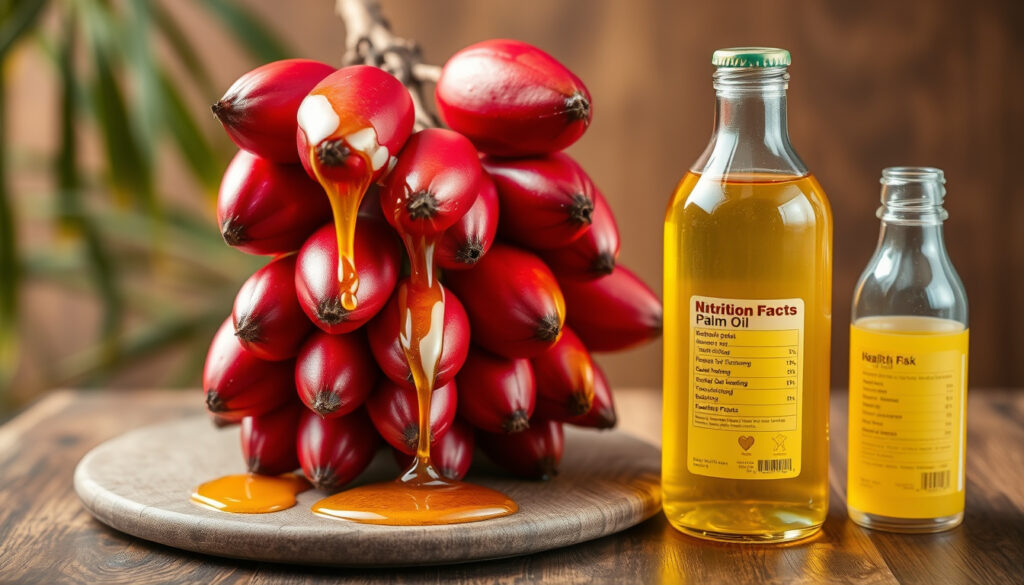
Is Palm Oil Bad for You – Health Risks, Benefits & Facts
Palm oil appears in roughly half of all packaged products on supermarket shelves, from snack foods to cosmetics. Yet debates about whether this ubiquitous ingredient is harmful or beneficial continue to divide nutrition experts and consumers alike. The answer, researchers have found, depends heavily on which type of palm oil is used, how much is consumed, and whether it was sourced sustainably.
This oil, extracted from the fruit of the oil palm tree, is distinctive because of its near-balanced ratio of saturated to unsaturated fats. It remains semi-solid at room temperature without requiring hydrogenation, making it a stable cooking fat. However, that saturated fat content has raised concerns among heart health researchers for decades.
At the same time, emerging science points to unique compounds in palm oil, particularly tocotrienols—a potent form of vitamin E—that may offer meaningful health benefits. Understanding both sides of this equation requires looking beyond simplified headlines.
Is Palm Oil Bad for Your Health?
The health implications of palm oil remain contested among researchers. Several large health organizations, including the World Health Organization, recommend limiting saturated fat intake to reduce cardiovascular disease risk. Palm oil contains approximately 50% saturated fat, which places it in the same category as butter and beef tallow.
Mixed evidence—high saturated fat raises cholesterol, but tocotrienols may offer protective effects
50% saturated fat, rich in vitamin E (tocotrienols), approximately 120 calories per tablespoon
Production linked to deforestation in tropical regions, threatening biodiversity
Found in roughly 50% of processed foods, from baked goods to instant noodles
Key Insights on Palm Oil and Health
- Saturated fat in palm oil can raise LDL cholesterol levels more than unsaturated oils like corn or safflower
- Tocotrienols in palm oil demonstrate antioxidant and anti-inflammatory properties in laboratory studies
- Red palm oil contains more carotenoids and tocotrienols than refined varieties
- Palm oil produces no trans fats during refining, unlike partially hydrogenated oils
- Research on long-term cardiovascular outcomes remains limited and conflicting
- Individual health factors, dietary patterns, and consumption amounts all influence outcomes
Snapshot: Palm Oil at a Glance
| Attribute | Value | Notes |
|---|---|---|
| Saturated Fat Content | Approximately 50% | Similar to beef tallow |
| Calories per Tablespoon | 120 | Same as most cooking oils |
| Trans Fat Content | Zero (when unrefined) | Advantage over hydrogenated oils |
| Vitamin E Form | Tocotrienols (potent) | Richer than most vegetable oils |
| Carotenoid Content | High (in red palm oil) | Convertible to vitamin A |
| Primary Fat Type | Semi-solid at room temperature | Natural stability |
What Are the Nutritional Facts of Palm Oil?
Palm oil is 100% fat by composition, with a fatty acid profile that distinguishes it from most other plant oils. While coconut oil leads with roughly 90% saturated fat, palm oil sits at approximately 49-50% saturated fat, with the remainder split between monounsaturated and polyunsaturated fats. This composition gives palm oil its characteristic semi-solid texture at cooler temperatures.
Understanding the Fat Content
The saturated fats in palm oil include palmitic acid and stearic acid, both of which have been shown to elevate LDL cholesterol in clinical studies. However, the arrangement of fatty acids within the triglyceride molecules may influence how the body processes them. Research published in peer-reviewed journals suggests the health effects cannot be reduced to a single nutrient comparison.
One tablespoon of palm oil provides around 7 grams of saturated fat and approximately 120 total calories. For reference, the Dietary Guidelines for Americans recommend limiting saturated fat to less than 10% of daily calories—a target that can be quickly exceeded if palm oil is consumed frequently.
Red palm oil and refined palm oil differ significantly in their nutritional content. The unrefined red variety retains more carotenoids and tocotrienols, while the refined version undergoes processing that removes much of its antioxidant capacity.
Tocotrienols: The Unique Compound in Palm Oil
Beyond its fatty acid profile, palm oil contains tocotrienols—a potent subset of vitamin E that differs structurally from the more common tocopherols found in most other foods. Research from the National Institutes of Health’s database indicates that tocotrienols demonstrate higher bioavailability than tocopherols and possess strong free radical-scavenging capabilities.
Palm fatty acid distillate, a byproduct of palm oil refining, is considered one of the richest natural sources of alpha-, gamma-, and delta-tocotrienols. This has made palm oil derivatives valuable in dietary supplement manufacturing and functional food development.
What Are the Potential Benefits of Palm Oil?
Despite the concerns surrounding saturated fat content, palm oil contains compounds that have attracted scientific interest for their potential protective effects. The tocotrienol content, in particular, has been studied across multiple health domains, from brain function to skin integrity.
Brain Health and Cognitive Function
Studies suggest that tocotrienols may protect polyunsaturated fats in brain tissue from oxidative damage—a process implicated in neurodegenerative diseases. Health researchers have noted that tocotrienols appear to slow dementia progression and reduce stroke risk in some experimental models. One clinical investigation involving 121 participants found that tocotrienol supplementation halted the growth of brain lesions associated with vascular cognitive impairment.
At nanomolar concentrations, these compounds attenuate arachidonic acid-mediated neurodegeneration pathways. While promising, researchers caution that larger-scale human trials are needed before definitive conclusions can be drawn.
Cardiovascular Effects
The relationship between palm oil and heart health presents contradictions that researchers are still working to resolve. Studies indicate that palm oil tocotrienols may reduce endogenous cholesterol biosynthesis and inhibit platelet aggregation, potentially lowering arterial thrombosis risk.
According to research published in Nutrition Reviews, palm oil may reduce atherosclerosis risk through multiple mechanisms. However, evidence comparing palm oil directly to olive or soybean oils shows conflicting results regarding LDL elevation and overall cardiovascular outcomes.
A systematic review of randomized controlled trials through 2022 found that the palm tocotrienol-rich fraction shows promise against inflammation and lipid peroxidation. However, the authors noted that more long-term studies are needed to confirm clinical benefits.
Skin and External Applications
Palm oil derivatives have found applications beyond dietary consumption. Cosmeceutical research indicates that tocotrienols reduce melanin production, offer protection against ultraviolet radiation damage, and improve skin resilience. These properties have led to their inclusion in various skincare formulations.
Why Is Palm Oil Controversial for the Environment?
Health considerations represent only one dimension of the palm oil debate. The environmental consequences of oil palm cultivation have drawn criticism from conservation organizations and consumers alike. Oil palm trees thrive in tropical climates, primarily in Southeast Asia, where vast expanses of rainforest have been cleared to make way for plantations.
Deforestation and Habitat Loss
The World Wildlife Fund reports that palm oil production has been a significant driver of deforestation in Borneo and Sumatra. This habitat destruction threatens critically endangered species, including orangutans, whose populations have declined dramatically as forest cover disappears.
The conversion of peatlands for oil palm cultivation also releases stored carbon into the atmosphere, contributing to greenhouse gas emissions. This environmental dimension complicates the decision-making calculus for consumers who may be weighing health impacts against ecological concerns.
The Rise of Sustainable Certification
In response to mounting pressure, the Roundtable on Sustainable Palm Oil (RSPO) was established in 2004 to develop certification standards for responsibly produced palm oil. RSPO-certified products must meet criteria designed to minimize environmental damage and protect worker rights. However, critics argue that certification requirements vary in stringency and enforcement remains inconsistent.
Not all palm oil products are created equally from a sustainability standpoint. Consumers seeking to reduce environmental impact should look for RSPO certification on product labels when available.
What Are Healthier Alternatives to Palm Oil?
For consumers seeking to avoid palm oil entirely—whether due to health concerns, environmental objections, or both—several alternatives exist. Each option presents a distinct fatty acid profile and functional characteristics that may or may not suit specific cooking or baking applications.
Comparing Cooking Oil Options
| Oil Type | Saturated Fat | Primary Benefits |
|---|---|---|
| Olive Oil | 14% | High monounsaturated fats, linked to heart health |
| Avocado Oil | 12% | High smoke point, monounsaturated fats, antioxidants |
| Coconut Oil | 90% | Stable for high-heat cooking, but higher saturated fat |
| Canola Oil | 7% | Low saturated fat, versatile for cooking |
| Palm Oil | 50% | Trans-fat-free, contains tocotrienols |
Making Informed Choices
Olive oil stands out for its high monounsaturated fat content and extensive research supporting cardiovascular benefits. Avocado oil offers a similar fatty acid profile with a higher smoke point, making it suitable for searing and frying. Both represent lower-saturated-fat options compared to palm oil.
Coconut oil, despite its plant origin, contains even more saturated fat than palm oil—approximately 90%—which limits its appeal from a heart health perspective. Canola oil provides a neutral-flavored, low-sat-fat alternative, though it lacks the unique tocotrienol compounds found in palm oil.
The Research Timeline: How Understanding Has Evolved
Scientific understanding of palm oil has shifted considerably over the past several decades, reflecting broader changes in nutrition research methodology and public health recommendations.
- 1990s: Global palm oil consumption rises sharply as food manufacturers seek cheaper alternatives to hydrogenated oils
- 2004: The Roundtable on Sustainable Palm Oil (RSPO) launches to address environmental concerns surrounding production
- 2010s: Research intensifies on tocotrienols, with studies identifying potential neuroprotective and anti-inflammatory mechanisms
- 2018: The European Union implements regulations targeting deforestation linked to commodity production, including palm oil
- 2022: A systematic review of randomized controlled trials evaluates the palm tocotrienol-rich fraction against inflammation and lipid peroxidation
What We Know—and What Remains Unclear
Research on palm oil health effects has produced a nuanced picture that resists simple categorization. Certain aspects have been established through repeated investigation, while others remain debated or inadequately studied.
| Established Understanding | Remaining Uncertainty |
|---|---|
| Palm oil is approximately 50% saturated fat | Whether tocotrienol benefits translate to meaningful clinical outcomes in humans |
| Saturated fat raises LDL cholesterol levels | Long-term cardiovascular effects compared to other cooking oils |
| Unrefined red palm oil contains more antioxidants than refined varieties | Optimal intake levels for potential health benefits |
| Palm oil produces no trans fats during standard processing | Interactions between palm oil compounds and medications or health conditions |
| Production impacts tropical ecosystems and wildlife habitats | Whether RSPO certification effectively mitigates environmental harm at scale |
How Does Palm Oil Compare to Other Dietary Fats?
Context matters when evaluating any dietary fat. Palm oil exists within a spectrum of fat sources, each carrying distinct nutritional characteristics and health implications.
The American Heart Association continues to recommend replacing saturated fats with unsaturated fats whenever possible. From this perspective, olive oil, canola oil, and avocado oil generally represent better choices for individuals focused on cardiovascular risk reduction. However, these alternatives lack the unique tocotrienol compounds that distinguish palm oil.
For populations with limited access to diverse cooking oils or in food manufacturing contexts requiring specific functional properties, palm oil may serve practical purposes that alternatives cannot replicate as efficiently. The question of whether palm oil is “bad” ultimately depends on what it replaces in the diet and how much is consumed.
Expert Perspectives and Research Sources
Scientific understanding of palm oil derives from multiple source types, each contributing different strengths and limitations to the evidence base.
“Palm oil’s health effects cannot be evaluated in isolation. The overall dietary pattern, individual health status, and consumption amounts all influence outcomes.”
— Synthesis of peer-reviewed research published in Nutrition Reviews
“While tocotrienols show promising antioxidant and anti-inflammatory effects in laboratory and early clinical studies, more rigorous human trials are needed before therapeutic recommendations can be made.”
— Analysis of palm oil research from PubMed Central
Major health organizations, including the World Health Organization and the American Heart Association, base their recommendations primarily on saturated fat reduction for cardiovascular disease prevention. These broad guidelines apply to palm oil alongside other saturated fat sources, though they do not specifically target palm oil as uniquely harmful.
The Bottom Line on Palm Oil
Palm oil occupies a complex position in nutrition science—neither clearly harmful nor demonstrably beneficial based on current evidence. Its high saturated fat content warrants moderation, particularly for individuals with existing cardiovascular risk factors. At the same time, its unique tocotrienol content distinguishes it from other saturated fat sources and merits continued research attention.
For consumers concerned about both health and environmental impacts, seeking RSPO-certified products when palm oil is used, or choosing alternatives like olive oil or avocado oil, represents a reasonable approach. As with most nutrition questions, balance and variety tend to serve health better than rigid avoidance or uncritical acceptance of any single ingredient.
Those interested in exploring other natural oils with distinct health properties may find Argan Oil Benefits informative, while individuals curious about gut health research may want to review Signs Probiotics Are Working for related scientific developments.
Frequently Asked Questions
Does palm oil cause cancer?
No conclusive evidence links palm oil consumption to cancer risk. Some early concerns arose from certain processing methods that may produce contaminants, but food-grade palm oil is not classified as carcinogenic by major health authorities.
Is palm oil inflammatory?
Research suggests the tocotrienols in palm oil exhibit anti-inflammatory properties. However, the saturated fat content may promote inflammation in some individuals, creating opposing effects that vary by person and consumption amount.
How can I identify palm oil in ingredient lists?
Palm oil appears under various names including “palm oil,” “palm kernel oil,” “vegetable oil” (sometimes), and specific ingredient codes. Checking for RSPO certification can help identify more sustainably sourced products.
Is red palm oil healthier than refined palm oil?
Red palm oil retains more carotenoids and tocotrienols because it undergoes less processing. These compounds offer antioxidant benefits not present in the more refined white varieties.
How much palm oil is safe to consume?
Major health organizations recommend limiting saturated fat to less than 10% of daily calories. For a 2,000-calorie diet, this allows roughly 20 grams of saturated fat—easily reached with a few tablespoons of palm oil.
Does cooking with palm oil produce harmful compounds?
Palm oil has a higher smoke point than many oils, meaning it remains stable at typical frying temperatures. It does not produce trans fats during standard cooking, unlike partially hydrogenated oils.
What is the difference between palm oil and palm kernel oil?
Palm oil comes from the fruit flesh of the oil palm, while palm kernel oil is extracted from the seed inside the fruit. Palm kernel oil is more similar to coconut oil, with approximately 80-85% saturated fat.
Can palm oil be part of a healthy diet?
Moderation is key. Occasional use of palm oil as part of a balanced diet is unlikely to cause harm for most people. However, those with heart disease risk factors should consider lower-saturated-fat alternatives.
More related posts
 What Is a Browser Extension? Examples, Safety & Management
 A Star Is Born: True Story? Live Singing & Tinnitus Facts
 Houses for Rent Near Me: Cheap Rural Ireland Options
 Most Expensive Car in the World: $142M Record & 2026 Guide
 Cal Raleigh Home Runs: 60-HR Season and Record Context
 Galaxy A33 to Buy: 2025 Price & Deals Guide
 30 Years Frozen 3 Brothers Regret: Plot, Cast & Ending
 WHOOP 5.0 Blood Pressure: Accuracy, Price, and How It Works
