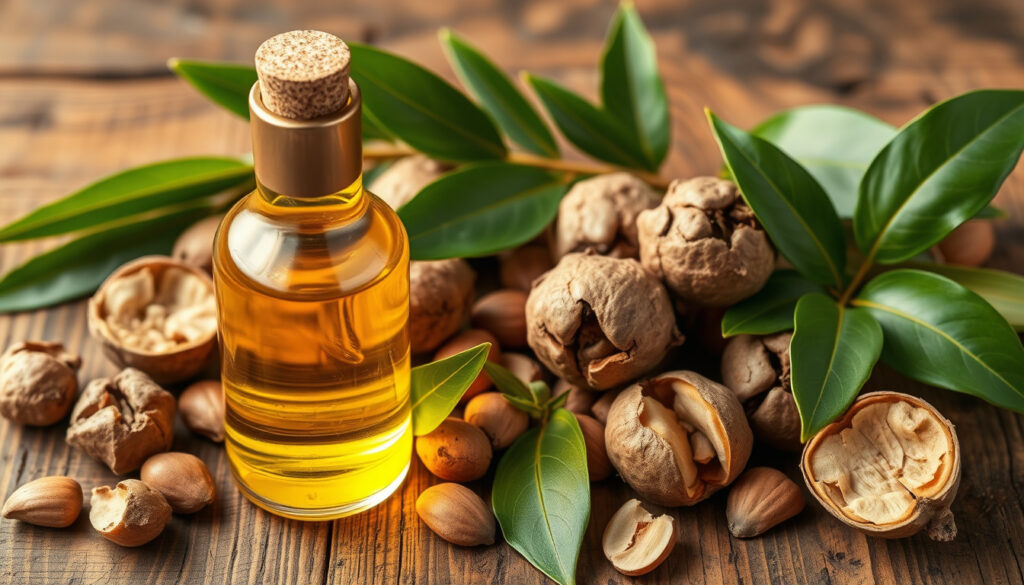
Argan Oil for Hair – Benefits, Usage and Expert Tips
Argan Oil for Hair: Ultimate Guide to Benefits and Usage
Argan oil has become a staple in hair care routines worldwide, praised for its ability to transform dry, damaged strands into healthier-looking hair. Extracted from the kernels of the Moroccan argan tree, this golden oil is rich in essential nutrients that address common hair concerns. Understanding how to use argan oil effectively can make a significant difference in hair texture, manageability, and overall appearance.
The oil’s popularity stems from its impressive nutritional profile, which includes vitamin E, oleic acid, and linoleic fatty acids. These components work together to provide deep hydration, protect against environmental damage, and improve hair elasticity. Whether applied as a leave-in treatment or incorporated into a weekly mask routine, argan oil offers versatility that appeals to various hair types and concerns.
While argan oil cannot perform miracles, particularly regarding dramatic hair growth claims, its proven benefits for hydration and protection make it a valuable addition to any hair care regimen. Research supports its effectiveness for specific applications, though results naturally vary depending on individual hair characteristics and consistent usage patterns.
What Are the Benefits of Argan Oil for Hair?
The primary benefits of argan oil for hair center around hydration, protection, and repair. Its molecular structure allows it to penetrate the hair shaft effectively, delivering moisture directly where it’s needed most. Multiple sources confirm that argan oil’s fatty acid content helps seal the cuticle, preventing moisture loss and reducing frizz.
Deep hydration for dry strands
Adds natural luster without residue
Reduces breakage and split ends
Shields from heat and UV damage
How Argan Oil Addresses Different Hair Types
For curly and textured hair, argan oil proves particularly valuable. The oil’s lightweight consistency won’t weigh down curls while still providing essential moisture. Curly hair types often struggle with frizz and dryness, and the sealing properties of argan oil help maintain defined curls throughout the day. Those with chemically treated or color-processed hair can benefit similarly, as the oil helps counteract the drying effects of chemical services.
Damaged hair, whether from heat styling, chemical treatments, or environmental factors, responds well to argan oil applications. The antioxidants present in the oil help neutralize damage from free radicals, while vitamin E supports the hair’s natural repair processes. For those experiencing brittleness or increased breakage, incorporating argan oil into a regular routine may help improve overall hair condition over time.
Key Nutritional Components
The science behind argan oil’s effectiveness lies in its unique composition. Healthline reports that the oil contains high levels of vitamin E, which acts as an antioxidant and supports scalp health. The oleic and linoleic fatty acids work to lubricate the hair shaft, making it easier to comb through without causing additional breakage.
Studies examining fatty acid-rich oils demonstrate consistent results for reduced split ends and improved combing properties. One small 2010 study linked vitamin E to improved hair growth, though this was not specific to argan oil. The broader evidence supports argan oil’s role in minimizing damage rather than stimulating new growth.
The anti-inflammatory properties of argan oil also benefit scalp health. For those experiencing dryness, flakiness, or mild scalp conditions, the oil’s soothing properties may provide relief. Davroe notes that these properties make it suitable for addressing concerns like dandruff and seborrheic dermatitis, though professional consultation remains advisable for persistent scalp issues.
| Benefit | Supporting Components | Evidence Notes |
|---|---|---|
| Hydration and Frizz Control | Oleic and linoleic acids, vitamin E | Seals cuticles and lubricates the hair shaft |
| Strengthening and Repair | Antioxidants, fatty acids | Improves elasticity and reduces breakage |
| Scalp Health | Anti-inflammatory properties | Soothes dryness, flakiness, and mild irritation |
| Shine and Thickness | Cuticle smoothing compounds | Reflects light for fuller appearance |
| Heat Protection | Thermal barrier formation | Reduces damage from styling tools |
| Environmental Defense | Antioxidant content | Shields against UV rays and pollution |
How Do You Use Argan Oil for Hair?
The application method for argan oil depends on your specific hair goals and the type of product you’re using. Pure argan oil requires different handling than products that contain argan oil as one ingredient among many. Understanding these distinctions helps maximize benefits while avoiding common issues like greasiness or product buildup.
Applying Pure Argan Oil
For pure, unrefined argan oil, the general recommendation involves applying 2 to 5 drops to damp or dry hair. Hims advises focusing application on the ends and mid-lengths, where moisture is typically most needed. The scalp can also benefit from application, particularly for those addressing dryness or flakiness. Gently massaging the oil into the scalp stimulates circulation while allowing the nutrients to absorb effectively.
The timing of application relative to shampooing remains flexible according to most sources. Some prefer applying argan oil to damp hair immediately after washing to lock in moisture, while others apply it to dry hair as a finishing treatment. Both approaches offer benefits, and experimentation helps determine what works best for individual hair types and preferences.
For dry or damaged hair, 2 to 3 applications per week typically provide noticeable results. Those with naturally oily hair might limit use to once weekly or focus application on the ends only. Daily use is generally safe for curly hair types that require consistent moisture, though adjusting the amount prevents heaviness.
Incorporating Argan Oil Into Your Routine
Beyond direct application, argan oil can enhance regular hair care products. Adding a few drops to your existing conditioner or mask boosts hydration potential. Garnier recommends this approach for those who find pure oil too heavy for their hair type but still want to benefit from its properties.
Pre-styling application provides protective benefits for those who regularly use heat tools. Applying a small amount before blow-drying or flat ironing creates a barrier that reduces heat damage. The Cleveland Clinic notes that this protective function represents one of argan oil’s most evidence-supported benefits.
When to Apply: Before or After Shampoo
The choice between pre-shampoo and post-shampoo application depends on your hair’s specific needs. Applying argan oil before shampooing acts as a pre-treatment, protecting the hair shaft during washing and adding extra moisture. This approach works particularly well for very dry or damaged hair that tends to absorb product heavily during washing.
Post-shampoo application, applied to towel-dried hair, helps seal moisture into the hair shaft after cleansing. This method works well for those seeking smoothness and frizz control throughout the day. Many find that post-shampoo application provides better results for styling and managing flyaways.
Does Argan Oil Help with Hair Growth and Repair?
The question of whether argan oil directly stimulates hair growth requires careful consideration. Current evidence does not support claims that argan oil causes new hair growth or prevents hair loss. However, the oil’s ability to reduce breakage and minimize damage may create conditions that support overall hair health and retention.
According to the Cleveland Clinic, argan oil does not directly stimulate faster growth. Instead, its benefits relate to reducing breakage, split ends, and shedding. When hair breaks less frequently, it appears fuller and longer over time, creating an illusion of growth even though the actual growth rate remains unchanged.
Supporting Scalp Health
A healthy scalp environment supports the conditions necessary for optimal hair growth, even if argan oil doesn’t directly cause growth to occur. The anti-inflammatory properties of argan oil may help address scalp conditions that interfere with healthy hair growth cycles. By reducing irritation and maintaining appropriate moisture levels, argan oil contributes to an environment where hair can grow more effectively.
Massaging argan oil into the scalp also increases blood circulation to the hair follicles. While this doesn’t guarantee growth, improved circulation delivers more nutrients and oxygen to the follicles, potentially supporting their function. Combining scalp massage with argan oil application creates a beneficial ritual that many find promotes overall scalp health.
No direct research confirms that argan oil promotes hair growth or prevents hair loss. Benefits are primarily related to minimizing damage, which may help hair appear fuller over time. Those experiencing significant hair loss should consult a dermatologist rather than relying on oil treatments alone.
Can You Leave Argan Oil in Your Hair Overnight?
Leaving argan oil in your hair overnight represents one of the most effective application methods for intensive treatment. The extended exposure time allows the oil to penetrate deeply and provide maximum moisturizing benefits. This approach works particularly well for those with very dry, damaged, or coarse hair that requires more than a quick application can provide.
Creating an Overnight Hair Mask
An overnight argan oil treatment typically involves coating the hair thoroughly, covering it with a shower cap to protect bedding, and washing it out the following morning. Davroe recommends leaving the oil in for at least 30 minutes, though overnight application yields more intensive results for damaged hair. For those seeking enhanced benefits, combining argan oil with complementary ingredients creates effective DIY treatments, and you can explore Saxenda före och efter resultat for more information.
For those seeking enhanced benefits, combining argan oil with complementary ingredients creates effective DIY treatments. A basic overnight mask might include 1 to 2 tablespoons of argan oil mixed with honey or aloe vera. These additions boost moisturizing properties while making the mixture easier to wash out in the morning.
Simple DIY Argan Oil Recipes
Various recipes allow customization based on specific hair needs. A repair-focused blend combining argan oil with coconut oil works well for extremely damaged ends. Faith in Nature notes that warming the blend slightly before application helps it spread more easily and penetrate the hair shaft more effectively. Apply this mixture to damaged ends approximately one hour before washing for best results.
Those interested in scalp health might create a serum combining 5 drops of argan oil with 2 drops of rosemary oil. Massaging this mixture into the scalp nightly provides both the benefits of argan oil and the potential stimulating properties of rosemary. This approach addresses scalp dryness while potentially supporting follicle health.
What Science Says About Argan Oil
Understanding what is definitively known versus what remains unclear helps set appropriate expectations for argan oil use. The scientific evidence supports certain benefits while leaving others unconfirmed or dependent on individual factors.
| Established Information | Information That Remains Unclear |
|---|---|
| Deep hydration of dry hair | Direct hair growth stimulation |
| Frizz reduction and smoothing | Specific results by hair type |
| Heat protection properties | Long-term repair capabilities |
| Improved combing and reduced breakage | Treatment duration needed for visible results |
| Safe for most users in moderate amounts | Effectiveness compared to other oils |
Dermatologists, including Dr. Khetarpal from the Cleveland Clinic, recognize argan oil as an effective emollient for hair. They endorse its use for frizz control, heat protection, and light hydration. However, they also note that research remains limited and that results vary among individuals. Consulting a dermatologist remains advisable for specific scalp conditions or persistent hair concerns.
Understanding Argan Oil Origins and Composition
Argan oil comes exclusively from the argan tree, which grows primarily in southwestern Morocco. The kernels inside the tree’s fruit contain the oil, which local cooperatives have extracted for centuries using traditional methods. This geographical specificity contributes to argan oil’s premium positioning and price point compared to other hair oils.
The quality of argan oil varies significantly based on processing methods. Pure, cold-pressed, unrefined argan oil retains the maximum nutrient content. John Frieda notes that refined or blended versions may offer convenience but typically provide lower concentrations of beneficial compounds. For direct hair benefits, choosing products labeled as 100% organic and cold-pressed ensures the highest quality.
What Experts Say About Argan Oil
“Argan oil is an excellent emollient for hair. It can help with frizz, heat protection, and provides light hydration without leaving significant residue.”
— Dr. Khetarpal, Cleveland Clinic
“Studies on fatty acid-rich oils demonstrate reduced split ends, improved combing properties, and heat protection. While research specifically on argan oil remains limited, the evidence supporting these benefits is consistent.”
— Healthline analysis of available research
Key Takeaways
Argan oil offers proven benefits for hydration, frizz control, and heat protection that make it a valuable addition to many hair care routines. The oil’s vitamin E and fatty acid content supports moisture retention and improved hair elasticity. While it won’t dramatically accelerate growth, reducing breakage and maintaining scalp health may create conditions favorable for hair retention.
Those interested in incorporating argan oil should start with pure, cold-pressed products and experiment with application methods to find what works best for their hair type. Consistency matters more than frequency, and adjusting usage based on hair response leads to optimal results. For comprehensive hair care guidance, including targeted exercises for specific concerns, exploring additional resources provides valuable context.
Those experiencing scalp issues or significant hair concerns should seek professional guidance rather than relying solely on oil treatments. Addressing underlying health factors often requires professional input, a principle that extends to hair and scalp health. Understanding when to consult experts ensures appropriate care for persistent concerns.
Frequently Asked Questions
Is argan oil good for all hair types?
Argan oil works well for most hair types, particularly dry, damaged, and curly hair. Those with very fine or oily hair may need to use smaller amounts or limit application to the ends.
How often should I use argan oil on my hair?
Most people benefit from 2 to 3 applications per week for dry or damaged hair. Curly hair types may use it daily with light application, while oily hair might require less frequent use.
Can argan oil help with hair loss?
Argan oil does not directly prevent hair loss or stimulate new growth. However, by reducing breakage and maintaining scalp health, it may help hair appear fuller over time.
Should I apply argan oil before or after shampoo?
Both methods work well depending on your goals. Pre-shampoo application protects during washing and adds moisture. Post-shampoo application seals moisture and controls frizz throughout the day.
How do I know if my argan oil is pure?
Pure argan oil should be labeled as 100% organic and cold-pressed. The color should be golden, and the scent should be mild and nutty. Avoid products with added fragrances or other oils.
Can I have an allergic reaction to argan oil?
Argan oil comes from tree nuts, so those with nut allergies should perform a patch test before using. Apply a small amount to your inner arm and wait 24 hours to check for reactions.
Does argan oil cause greasiness?
Using too much oil or applying it too frequently can result in greasiness. Start with 2 to 5 drops and adjust based on your hair’s response. Focus application on ends and mid-lengths rather than the scalp if you experience oiliness.
What are the best products containing argan oil?
Quality varies among products. For maximum benefits, look for pure argan oil labeled as 100% organic and cold-pressed. Reputable brands like Garnier, Davroe, and John Frieda offer argan-infused products if pure oil feels too heavy.
More related posts
 Fred Meyer Near Me: Store Hours & Locations
 Night at the Museum 3: Sequel Facts & Hugh Jackman Cameo
 30 Year Mortgage Rates Today: Current Rates & Forecast (2025)
 2025 Lexus RX 350: Price, Specs, Problems & Years to Avoid
 e ticket Dominican Republic: Requirement & How to Apply (2025)
 How to Clean a Mattress – Step-by-Step DIY Guide
 The Mamas and the Papas: Members, Breakup, and Where Are They Now
 What Is GLP-1 – Agonists, Uses, Drugs and Side Effects
