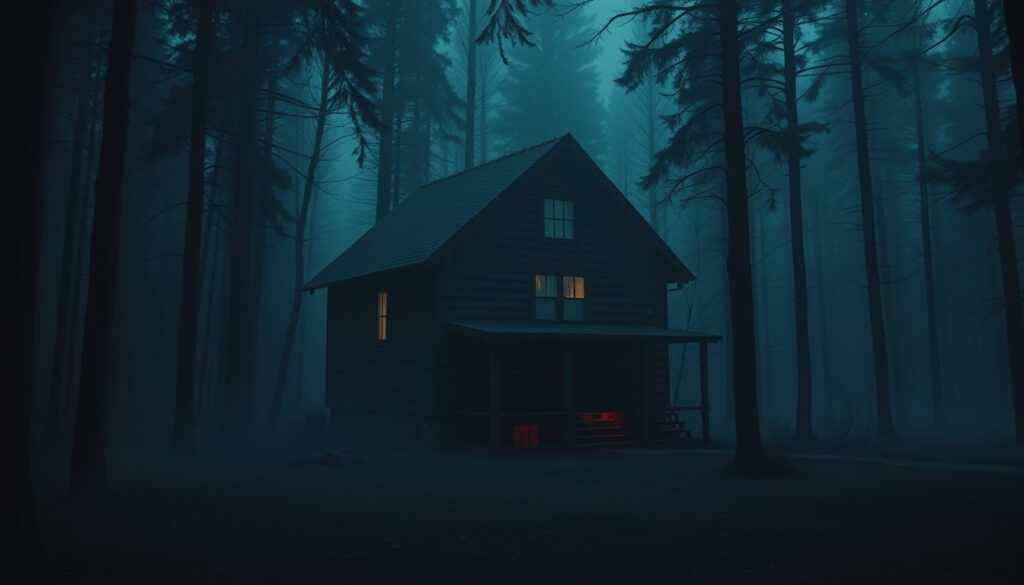
The Cabin in the Woods: Plot, Twist, and Why It’s So Popular
A horror movie that spends as much time picking apart horror as it does scaring you, The Cabin in the Woods earned a 92% critics score on Rotten Tomatoes and became a cult phenomenon by turning every genre trope inside out. This guide walks through the plot, the twist, the survival count, and why it’s still the smartest horror-comedy of its era.
Release year: 2011 (US) / 2012 (UK) · Directed by: Drew Goddard · Written by: Drew Goddard and Joss Whedon · Rotten Tomatoes score: 92% (critics), 74% (audience) · IMDb rating: 7.0/10 · Box office: $70 million worldwide
Quick snapshot
- Directed by Drew Goddard, written by Goddard and Joss Whedon (IMDb film database)
- U.S. theatrical release: April 13, 2012 (Box Office Mojo box office tracker)
- Rated R by the Motion Picture Association for strong bloody horror violence and language (Motion Picture Association ratings board)
- Runtime 95 minutes, budget $30 million, worldwide box office $70 million (IMDb film database)
- Whether a sequel will ever be produced – Goddard and Whedon have said no concrete plans exist.
- The exact meaning of the final giant hand rising – some read it as the Ancient Ones awakening, others as a symbolic critique of audience bloodlust.
- How much of the facility’s monster roster was inspired by specific classic horror icons.
- 2009: Screenplay written by Goddard and Whedon
- 2011: World premiere at SXSW Film Festival
- April 2012: Wide U.S. release
- 2012: UK/international release
- 2012 onward: Grows cult following on streaming and Blu-ray
- No sequel confirmed, but the film’s influence appears in later meta-horror projects like The Menu and Bodies Bodies Bodies.
- Regularly appears on “best horror movies of the 2010s” lists.
- Continues to be a go-to recommendation for viewers who want smart satire with their scares.
Six key specs, and one pattern: The Cabin in the Woods was a modestly budgeted mid-range film that performed well commercially but left an outsized cultural footprint.
| Attribute | Value |
|---|---|
| Release Year | 2011 (US), 2012 (UK) |
| Director | Drew Goddard |
| Writers | Drew Goddard, Joss Whedon |
| Runtime | 95 minutes |
| Budget | $30 million |
| Box Office | $70 million |
| MPAA Rating | R (strong bloody horror violence, language, some drug use) |
A horror movie about the machinery of horror became the most beloved horror movie of its year – because it let audiences laugh at the very tropes they came to see.
Was Cabin in the Woods a good movie?
Critical reception and audience scores
Critics overwhelmingly said yes. On Rotten Tomatoes the film holds a 92% approval rating from critics, with a certified fresh seal. On IMDb it sits at 7.0/10 based on over 400,000 user ratings (IMDb film database). Reviewers consistently praised its originality, wit, and willingness to break the fourth wall of horror storytelling.
What makes it stand out from other horror films
According to Collider film criticism site, the film “subverts the standard horror-movie structure” and “satirizes horror tropes by treating monsters as interchangeable and mocking genre conventions” (Collider film criticism site). That meta layer—the sense that the movie is in on the joke—is what separates it from straightforward slashers or ghost stories. It’s a horror film that also functions as a commentary on why we watch horror films.
What is the story behind The Cabin in the Woods?
Plot summary of The Cabin in the Woods
Five college friends—Dana, Curt, Jules, Marty, and Holden—drive to a remote cabin for a weekend getaway. The cabin is fully stocked, odd, and surrounded by woods. Unbeknownst to them, an underground organization is monitoring every move, controlling the environment, and manipulating the group into a sequence of horror-movie clichés. When Jules reads an old diary in the basement, she unwittingly triggers the release of a killer family of redneck zombies (SYFY WIRE entertainment news site).
The hidden organization and its purpose
The Nickel Screen analysis blog explains that the film’s core conceit is “an underground organization [that] manipulates the teens to fulfill an old sacrificial system tied to horror-story conventions” (The Nickel Screen analysis blog). The ritual requires the death of five archetypes: the Whore (Jules), the Athlete (Curt), the Scholar (Holden), the Fool (Marty), and the Virgin (Dana). Only by completing the sacrifice can the Ancient Ones—gods sleeping beneath the earth—be appeased.
Every trope in the cabin—the spooky cellar, the warning from a creepy gas station attendant, the separate rooms—is deliberately orchestrated by the facility. The film makes the audience complicit: we’ve seen these setups dozens of times, and now we see the puppet strings.
What is the plot twist in Cabin in the Woods?
The reveal of the underground facility
About halfway through, the film cuts away from the cabin to a high-tech control room filled with white-coated technicians. The audience realizes the horror is a staged event. The facility determines which monster the group will face by offering a selection of artifacts in the basement—a music box, a necklace, a puzzle cube—each tied to a different creature (FoundFlix YouTube analysis). The Director (Sigourney Weaver) monitors the teens’ every move.
The ancient gods and the ritual
ScreenRant film analysis site states that the characters learn they were “selected for an annual sacrifice to the Ancient Ones, and that the ritual must be completed to prevent catastrophe” (ScreenRant film analysis site). The organization has been doing this for centuries, and the cabin is simply the modern iteration of an age-old system.
The final scene explained
Collider film criticism site reports that the Director explains the ritual requirement “the Harlot die first and the Virgin die last, though the Virgin’s final death is optional” (Collider film criticism site). In the climax, Marty and Dana escape to the facility and release all the monsters—a visual explosion of every creature from the basement selection. The final shot: a giant hand rises from the ground, implying the awakening of an Ancient One and the collapse of the containment system (SYFY WIRE entertainment news site).
The pattern: the film denies the audience the satisfying completion of a ritual, forcing them to confront the cost of their own genre expectations.
Why is Cabin in the Woods so popular?
Meta-horror and genre satire
The film’s enduring appeal lies in its intellectual playfulness. It works both as a straight-ahead horror movie and as a satire of horror films. Collider film criticism site notes that “the film satirizes horror tropes by treating monsters as interchangeable and by mocking genre conventions” (Collider film criticism site). Every jump scare, every dumb decision, every locked door is a deliberate button pushed by the organization—and by extension, the filmmakers.
The comedy-horror blend
Popcorn World analysis blog argued in 2012 that the ending “does not undermine the film and instead supports a finale that is both apocalyptic and thematically coherent” (Popcorn World analysis blog). The humor—often dark and self-aware—keeps the film from becoming nihilistic, even as the world literally ends.
Cult following and lasting influence
Since its release, the film has become a staple of “underrated horror” lists and is frequently cited by filmmakers as an influence on later meta-horror projects. Its Rotten Tomatoes critics score of 92% remains a benchmark for smart genre filmmaking.
The implication: the film’s popularity stems from its ability to reward both horror novices and seasoned genre fans with different layers of meaning on each viewing.
Did anyone survive in The Cabin in the Woods?
Fate of each main character
- Jules (Whore) – killed by the zombie family first.
- Curt (Athlete) – killed attempting to escape on a motorcycle.
- Holden (Scholar) – killed by a werewolf monster in the facility.
- Marty (Fool) – survives the initial attacks, shot by facility guards but saved by Dana.
- Dana (Virgin) – survives the attacks, confronts the Director.
The surviving characters explained
According to SYFY WIRE entertainment news site, “Marty survives, which means the sacrifice is not completed and the world ends” (SYFY WIRE entertainment news site). Dana and Marty are the only two characters alive at the end, but the destruction of the facility and the awakening of the Ancient One make their survival temporary – the final scene strongly implies the end of humanity. ScreenRant film analysis site notes that “the ending leaves humanity’s ultimate fate ambiguous even though the giant hand is a strong sign of destruction” (ScreenRant film analysis site).
The catch: surviving the horror means inheriting the apocalypse—not exactly a happy ending.
Upsides
- Witty deconstruction of horror tropes that rewards repeat viewings
- Strong performances from a young cast (Chris Hemsworth, Kristen Connolly)
- Balances genuine scares with self-aware humor
- Original screenplay that avoids predictable formulas
- High rewatchability – noticing new facility details on each watch
Downsides
- Meta-commentary may feel gimmicky to viewers wanting pure horror
- Some characters feel like archetypes by design (but that’s the point)
- R rating limits younger horror fans (ages 17+)
- Ending can feel abrupt or unsatisfying to those expecting a traditional climax
- Lack of closure on the Ancient Ones’ full nature
The film’s biggest strength—its meta-awareness—is also its biggest flaw for some viewers. If you want to be scared without being reminded that you’re watching a movie, this isn’t it. If you enjoy horror that makes you think about why you enjoy horror, it’s essential viewing.
What is confirmed and what is still unclear
Confirmed facts
- The film was directed by Drew Goddard and co-written by Joss Whedon. (IMDb film database)
- The plot involves a group of college students unknowingly participating in a ritual sacrifice to appease ancient gods. (SYFY WIRE entertainment news site)
- The film received a 92% critics score on Rotten Tomatoes and an IMDb rating of 7.0/10. (IMDb film database)
- The film ends with a giant hand emerging from the ground, signaling the awakening of an Ancient One. (SYFY WIRE entertainment news site)
- Only two characters, Marty and Dana, survive the attacks but the world appears to end. (ScreenRant film analysis site)
What remains unclear
- Whether a sequel will ever be produced – no official announcements have been made.
- The exact nature and appearance of the Ancient Ones beyond the giant hand.
- Whether the organization’s global network continues after the facility’s destruction.
What the creators and critics said
“We wanted to make a horror movie where the audience could have fun with the fact that they know all the rules.”
— Drew Goddard (director/co-writer) in interviews around release, as reported by Collider film criticism site
“It’s a movie about the machinery behind horror movies – the audience’s expectations, the studio’s demands, and the horror fans’ appetites.”
— Joss Whedon (co-writer) in promotional materials covered by SYFY WIRE entertainment news site
“An astonishing meta-feat that works as both a horror movie and a parody of horror movies.”
— Rotten Tomatoes critics consensus, cited by Collider film criticism site
For fans of meta-horror, the trade-off is clear: you get a film that respects your intelligence and your love of the genre, but you lose the ability to ever watch a slasher the same way again. For the casual viewer, it’s a one-of-a-kind experience that rewards rewatches and invites discussion. The Cabin in the Woods didn’t just break the fourth wall—it brought the audience into the control room.
Related reading: Venom: Let There Be Carnage – Reviews, Streaming & Lore · Night at the Museum 3: Sequel Facts & Hugh Jackman Cameo
For a deeper look at the creatures and the film’s meta-commentary, consult this guide to the movies plot and monsters and see how every detail fits together.
Frequently asked questions
Is The Cabin in the Woods a horror or comedy?
It is a horror-comedy – a blend of genuine scares and self-aware humor. It works as both a straightforward horror film and a satire of the genre.
How scary is The Cabin in the Woods?
It has several intense horror sequences and a few jump scares, but the tone is more playful than terrifying. The scariest elements are the suspense and the violence, not relentless dread.
What is the age rating for The Cabin in the Woods?
The Motion Picture Association rated the film R for strong bloody horror violence and language, including some drug use. People under 17 require an accompanying parent or adult guardian.
Where can I watch The Cabin in the Woods?
The film is available on most major streaming platforms (check current availability on Amazon Prime, Netflix, or Hulu) and can be rented or purchased on iTunes, Google Play, and YouTube.
Does The Cabin in the Woods have jump scares?
Yes, there are a handful of jump scares, but they are often undercut by the film’s meta-awareness – the audience knows the organization is engineering them.
Is The Cabin in the Woods based on a true story?
No, it is a completely fictional original screenplay by Drew Goddard and Joss Whedon, not based on any real events.
What are the monsters in The Cabin in the Woods?
The film features a wide range of monsters from the facility’s archive, including zombie rednecks, werewolves, a giant snake, a merman, and many others drawn from classic horror film archetypes.
Why is The Cabin in the Woods considered a meta-horror?
Because it explicitly comments on the mechanics of horror storytelling – the tropes, the audience expectations, and the production machinery – while still delivering a coherent horror narrative. It is a film about horror films.
More related posts
 When Is Mother’s Day in Ireland? 2026 Date & History
 Park Bo-gum: Military, Ireland, English & V Friendship
 Jonathan Groff Movies and TV Shows: Complete Guide
 How to Get Rid of Acne Fast: Proven Treatments & Natural Remedies
 Blaze and the Monster Machines: Status, Streaming, and Character Facts
 How to Clean a Mattress – Step-by-Step DIY Guide
 Pamela Anderson and Liam Neeson: Romance or PR Stunt
 Cal Raleigh Home Runs: 60-HR Season and Record Context
